How to Prevent a Stroke: Understanding What Causes It
If you want to understand how to prevent a stroke, you first need to know what causes one. Stroke prevention focuses on lowering known risk factors through proven medical strategies. Although no method can remove risk completely, early care and consistent medical management can greatly reduce the chance of stroke.
A stroke happens when blood flow to part of the brain stops. As a result, brain cells lose oxygen and nutrients. This damage can occur within minutes.
There are two main types of strokes. First, ischemic strokes happen when a blood vessel becomes blocked. Second, hemorrhagic strokes occur when a blood vessel breaks and causes bleeding in or around the brain.
However, many stroke risks are preventable. Common risk factors include high blood pressure, diabetes, high cholesterol, smoking, and obesity. In addition, heart rhythm problems such as atrial fibrillation can increase stroke risk. Sleep disorders like sleep apnea, along with low physical activity, may also contribute.
Some factors cannot be changed. For example, age and genetics also affect stroke risk. Nevertheless, managing controllable risks remains the most effective approach.
Because stroke usually develops after years of blood vessel damage, prevention requires long-term care. In other words, reducing risk over time matters more than short-term fixes.
Finally, it is important to understand that stroke prevention reduces risk rather than guaranteeing protection. Individual risk levels vary. Therefore, a qualified healthcare professional should evaluate each person’s situation.
Proven Ways to Help Prevent a Stroke
Blood Pressure Control
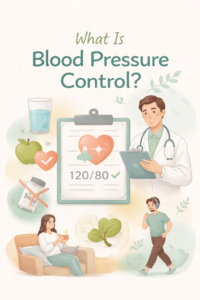
High blood pressure is the leading risk factor for stroke. Therefore, keeping your blood pressure within recommended levels is critical. Lifestyle changes, regular monitoring, and prescribed medications can significantly lower stroke risk over time.
Diabetes Management
High blood sugar can damage blood vessels. As a result, it increases stroke risk. However, consistent diabetes management helps protect the blood vessels that supply the brain.
Smoking Cessation
Smoking damages blood vessels and increases clot formation. Because of this, smokers face a higher stroke risk. However, quitting smoking gradually reduces this risk and improves overall vascular health.
Regular Physical Activity
Regular exercise improves blood flow and supports heart health. In addition, physical activity helps control blood pressure, weight, and cholesterol. Even moderate activity done consistently can help lower stroke risk.
Medication Adherence
Many people need medications to manage stroke risk factors. These may include blood pressure drugs, statins, or antiplatelet medicines. However, these treatments only work when taken as directed. Skipping doses can increase stroke risk.
Cholesterol Management
High LDL cholesterol can cause plaque buildup in arteries. Over time, this narrows blood vessels and reduces blood flow to the brain. Therefore, keeping cholesterol levels within recommended ranges helps lower the risk of ischemic stroke.
Warning Signs You Should Know to Prevent a Stroke
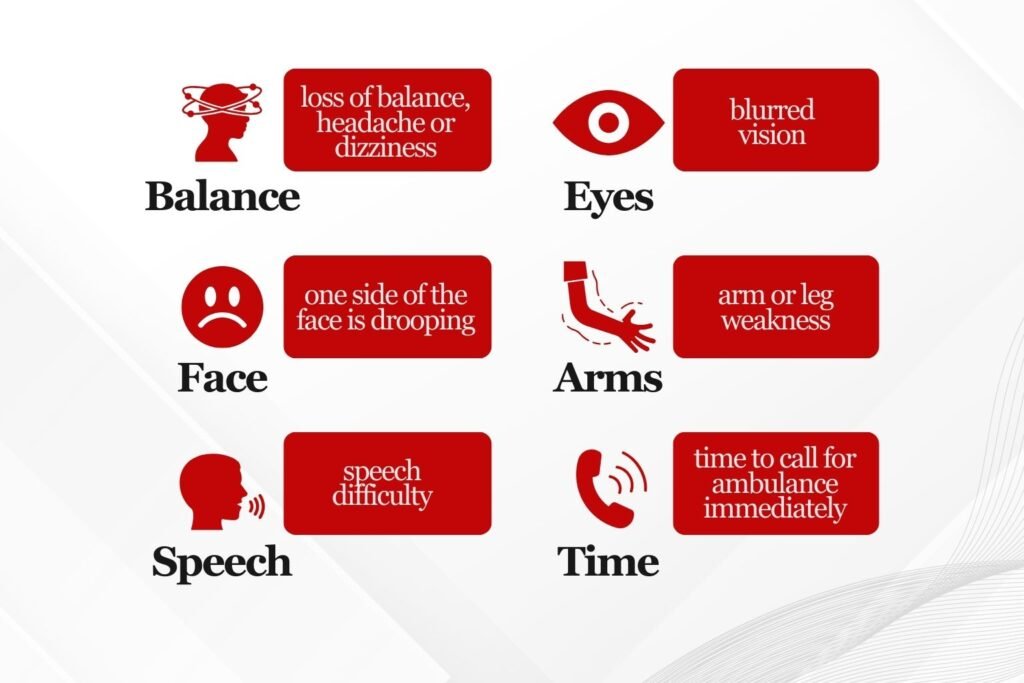
Recognizing stroke symptoms early can save lives. Therefore, acting quickly is critical. The faster someone receives medical care, the better the chance of reducing serious brain damage.
Doctors often use the BE-FAST method to recognize stroke symptoms quickly:
- B – Balance: Sudden loss of balance or coordination
- E – Eyes: Sudden trouble seeing in one or both eyes
- F – Face: One side of the face droops or feels numb
- A – Arms: Weakness or numbness in one arm
- S – Speech: Slurred or difficult speech
- T – Time: Time to call emergency services immediately
In addition, other warning signs may appear suddenly. For example, a person may feel confused, have trouble understanding speech, or experience severe dizziness. Some people also develop a sudden, severe headache without a clear cause.
However, it is important to understand that this section focuses on emergency recognition, not prevention. If any stroke symptoms appear, seek medical care immediately. Quick treatment can significantly improve outcomes.
How Health Monitoring Supports Long-Term Brain Health
Monitoring key health markers can help doctors detect early warning signs. For example, tracking blood pressure, heart rhythm, and oxygen levels can reveal changes over time.
As a result, clinicians may notice patterns that require closer evaluation. Over time, this information can support better medical decisions and earlier care.
However, monitoring alone cannot prevent a stroke. Instead, its value comes from helping identify problems sooner. When doctors detect abnormalities early, they can evaluate the cause and recommend appropriate treatment.
Therefore, monitoring works best as part of ongoing medical care and risk management, not as a standalone solution.
Stroke Prevention Technology: What Helps Prevent a Stroke — and What Doesn’t
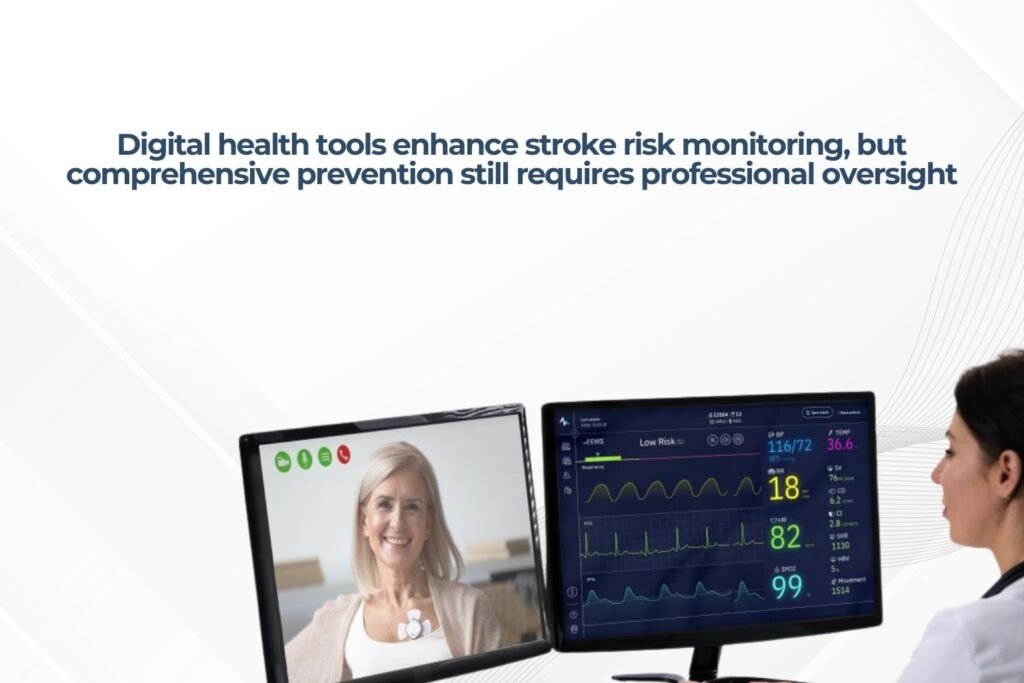
Digital health tools and monitoring technologies can help collect important health data. For example, they may track blood pressure, heart rhythm, or oxygen levels over time.
As a result, these tools can reveal patterns or changes that may require medical review. In some cases, this information helps clinicians detect potential problems earlier.
However, technology alone cannot prevent a stroke. These tools do not diagnose disease, prescribe treatment, or replace professional medical care.
Instead, their main role is to support clinicians by providing useful health data. Doctors still need to evaluate the information and decide whether further care or treatment is necessary.
Therefore, technology can support stroke risk management. However, it works best when combined with proper medical care and clinical evaluation.
Wearables and Heart–Brain Signals: An Emerging Area of Research
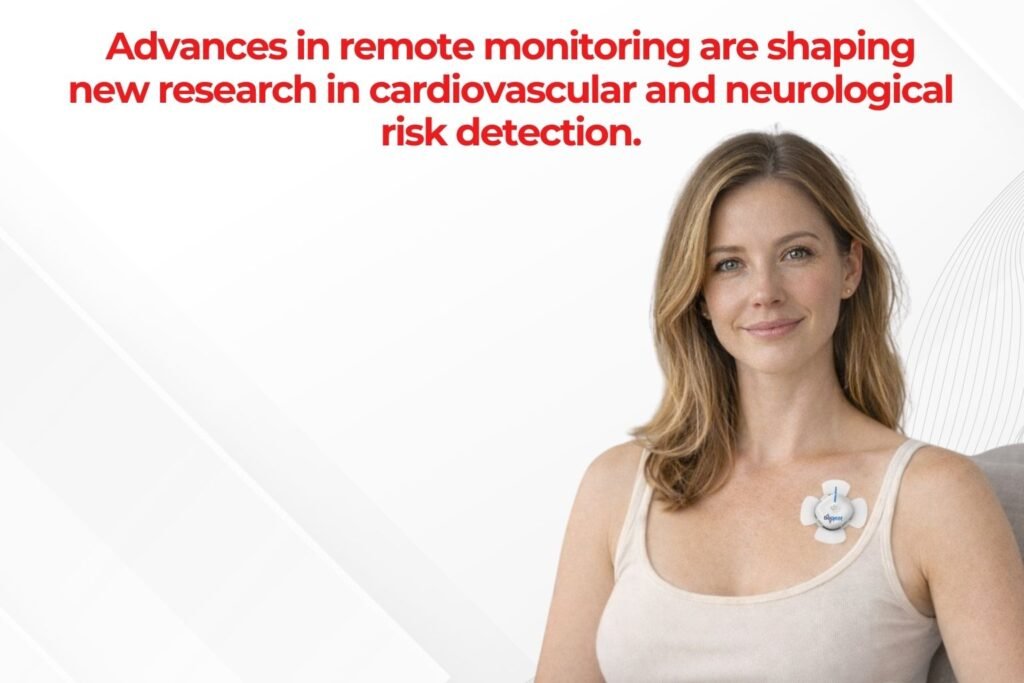
Researchers continue to study how heart health and brain health are connected. In particular, scientists are exploring how changes in cardiovascular signals may relate to long-term neurological health.
For example, factors such as heart rhythm, blood pressure patterns, oxygen levels, and circulation can influence how well the brain receives oxygen and nutrients. Because of this connection, researchers are investigating whether certain physiological patterns may help identify early changes in vascular health.
Wearable devices have become an important tool in this area of research. These devices can continuously measure signals such as heart rate, activity levels, and sometimes blood oxygen or heart rhythm. As a result, they may help observe trends that are difficult to detect during occasional clinic visits.
Over time, these measurements may reveal patterns related to cardiovascular function. In turn, this information could help researchers better understand how long-term heart health affects the brain.
However, this field is still developing. Current evidence supports continued research and careful investigation rather than definitive conclusions.
Most importantly, wearable devices cannot diagnose medical conditions or replace clinical care. They also cannot provide treatment or prevent disease on their own. Instead, their value lies in collecting data that may support future research and clinical evaluation.
Therefore, wearable technology should be viewed as a supportive tool within a broader medical framework, not a substitute for professional medical assessment or preventive treatment.
When to Talk to a Clinician About Your Stroke Risk
In some situations, it is important to discuss stroke risk with a healthcare professional. A clinician can review your medical history and evaluate factors that may increase your risk.
For example, you should consider speaking with a clinician if you have high blood pressure, diabetes, or atrial fibrillation. In addition, people with a history of transient ischemic attack (TIA) or difficulty controlling cardiovascular risk factors may benefit from medical guidance.
Family history can also play a role. Therefore, individuals with relatives who have experienced stroke may want to discuss their personal risk with a healthcare professional.
Early clinical guidance allows for a more personalized risk assessment. As a result, clinicians can recommend appropriate monitoring, lifestyle changes, or treatment strategies based on individual health needs.
Taking action early can support better long-term cardiovascular and brain health.