What Is High Blood Pressure?
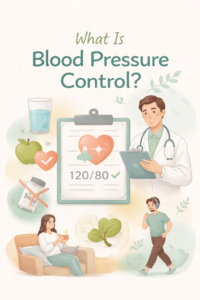
High blood pressure risk is something many people face, yet many people do not know they have it. Blood pressure shows how hard your heart pushes blood through your body.
First, blood moves through tubes called arteries. These tubes carry blood to every part of the body. When the pressure inside them is too high for a long time, it is called high blood pressure, or hypertension.
However, most people feel normal even when their numbers are high. Because of this, many people only learn about it during a checkup.
So, regular measurements are important.
Why High Blood Pressure Risk Matters Over Time
High blood pressure does not usually cause problems right away. However, over time, the pressure can slowly stress the blood vessels.
Because of this constant pressure, the vessel walls may become stiff or damaged. As a result, the heart must work harder. Over many years, this extra work may increase the chance of heart and brain problems.
So even though one reading may not mean much, long-term pressure matters more.
Blood Pressure Trends and Variability
Blood pressure changes during the day. For example, it may go up when you exercise or feel stress. Then it may go down when you sleep. Because of this, doctors often look at patterns over time, not just one number.
Sometimes people have higher readings in a clinic. This is called white-coat hypertension. On the other hand, some people show normal readings at the clinic but higher ones at home.
Therefore, looking at trends helps doctors understand the bigger picture.
Factors That Influence High Blood Pressure Risk
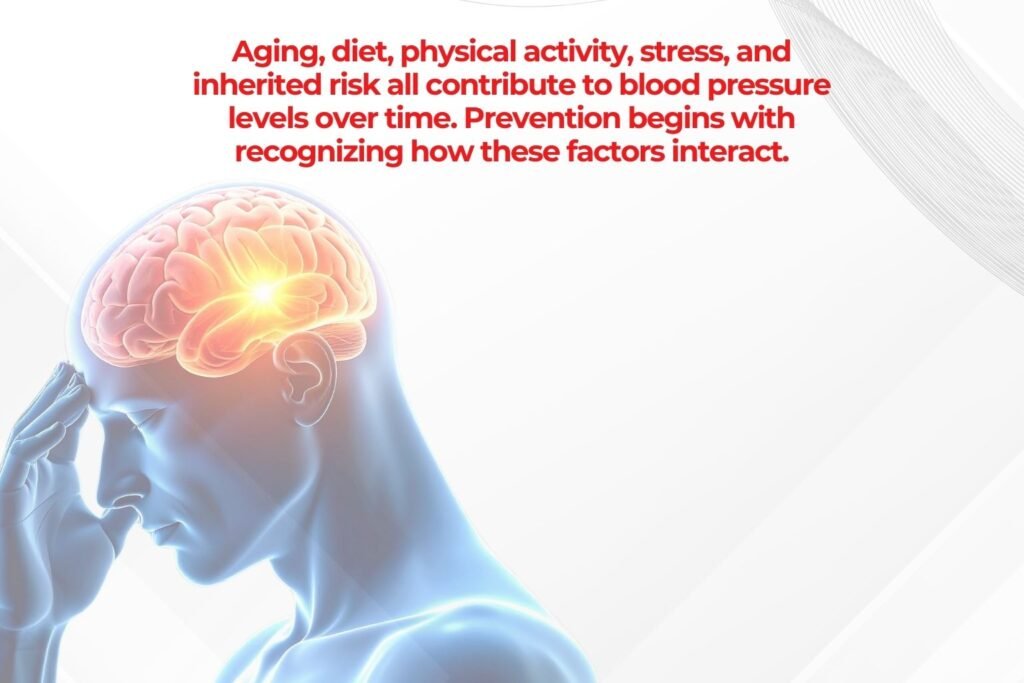
Many things can affect high blood pressure.
First, age plays a role. As people get older, blood vessels can change.
Next, family history can matter. If close relatives have hypertension, the risk may be higher.
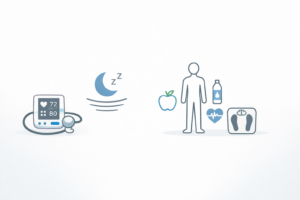
Lifestyle also plays a part. For example:
- Diet
- Physical activity
- Stress
- Sleep
- Other health conditions
Because all people are different, risk can change over time.
Heart Health Monitoring at Home
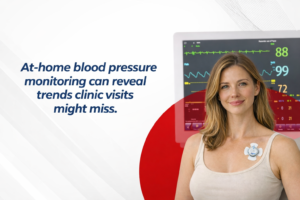
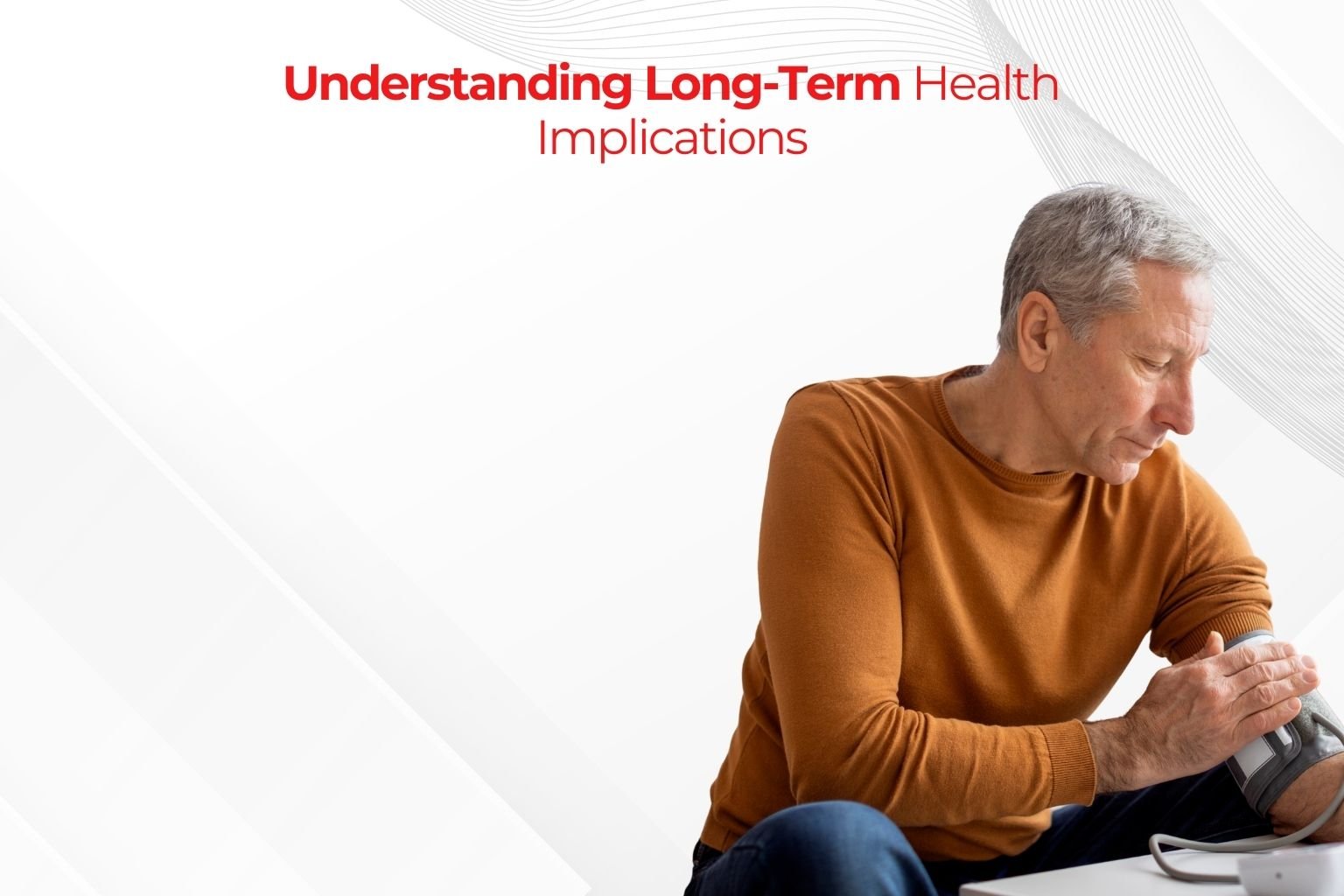
Many people now measure blood pressure at home. This can be helpful because it shows readings during normal daily life. For example, home monitoring may show patterns during work, rest, or sleep.
However, home numbers alone do not give a full answer. Instead, doctors look at the data together with medical history and other health information. So home monitoring is a tool, not a diagnosis.
How Doctors Manage High Blood Pressure Risk
Doctors decide how to manage high blood pressure risk based on each person’s situation.
First, they review blood pressure patterns and medical history.
Then they may suggest different approaches, such as:
- lifestyle changes
- monitoring
- medication
- follow-up visits
Because every person is different, care plans are individualized.
Therefore, medical guidance is important when evaluating risk.
When Blood Pressure Concerns Need Medical Attention
Sometimes blood pressure patterns may require further evaluation.
For example, medical attention may be considered when:
- blood pressure stays high over time
- readings vary greatly
- symptoms appear
- there is a history of heart or stroke conditions
However, healthcare professionals decide when testing or follow-up is needed.