Taking care of your body is very important. Many people think they must go to a clinic every time they want to check their health. But there are simple ways to monitor your health without seeing a doctor right from home. By paying attention to your body and using easy tools, you can learn a lot about how healthy you are.
In this guide, you will learn five simple ways to keep track of your health and notice small changes before they become big problems.
What Does “Monitor Your Health Without Seeing a Doctor” Mean?
To monitor your health without seeing a doctor means checking your body and health signs on your own. This does not replace medical care, but it helps you stay aware of how your body is doing.
For example, you can watch your heart rate, track your sleep, or check your weight. These small actions help you notice patterns and changes. If something seems wrong, you can then decide to see a doctor.
Learning to monitor your health helps you become more responsible for your own well-being.
1. Monitor Your Health Without Seeing a Doctor by Tracking Your Vital Signs
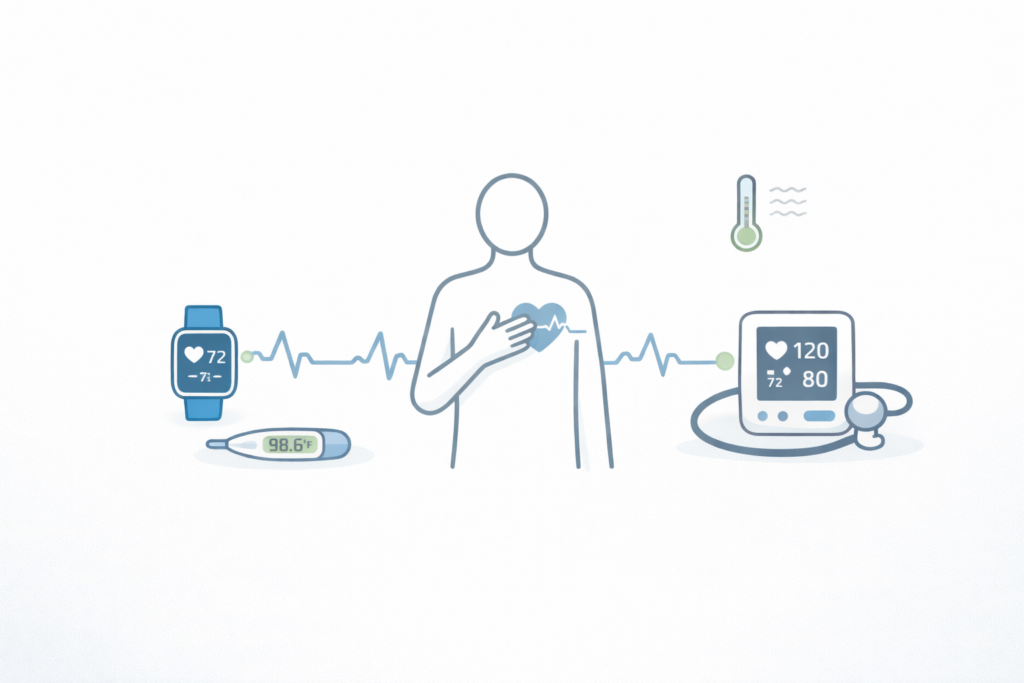
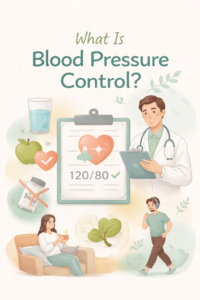
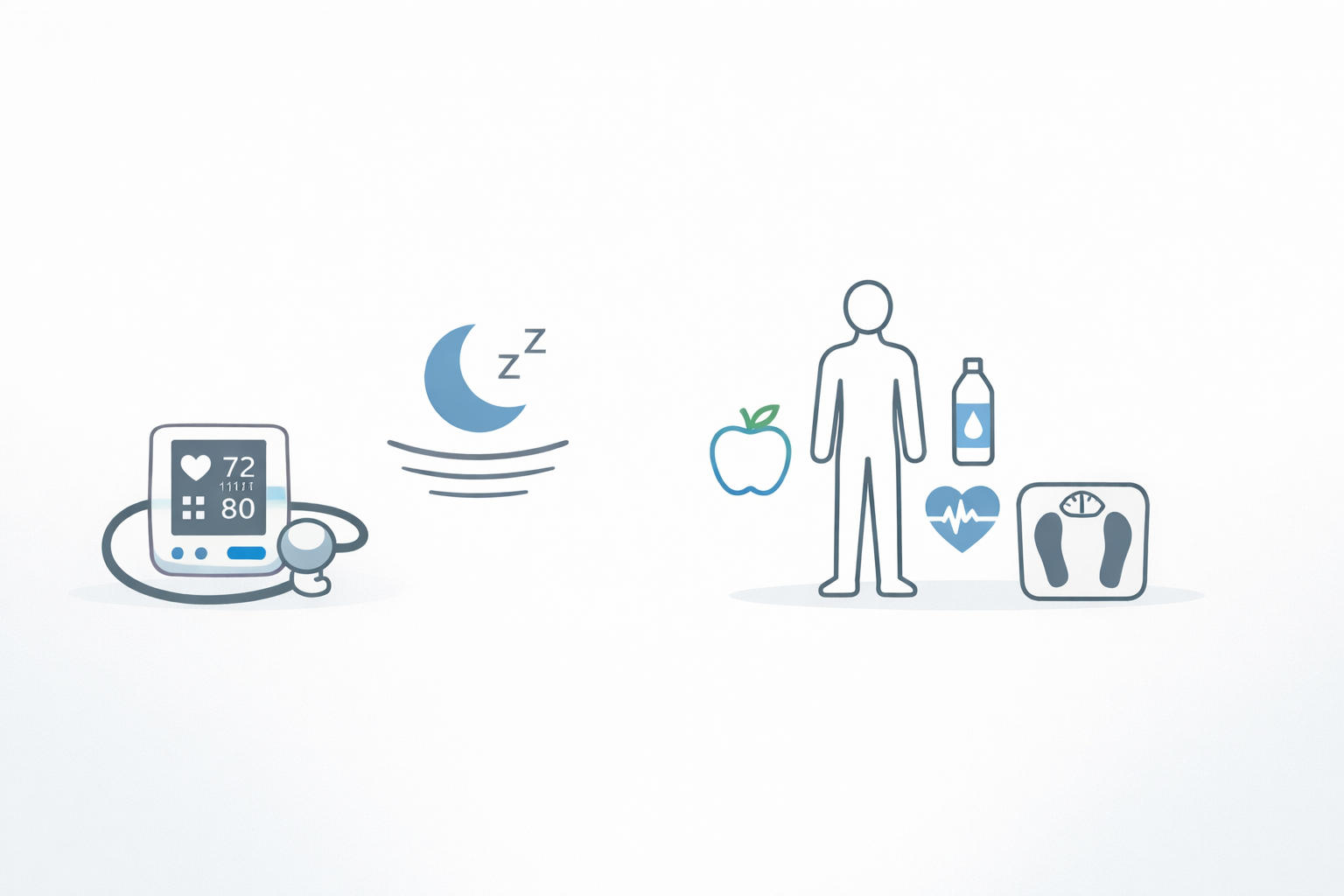
Vital signs are simple body measurements that tell you how your body is working. The most common ones include heart rate, blood pressure, and body temperature.
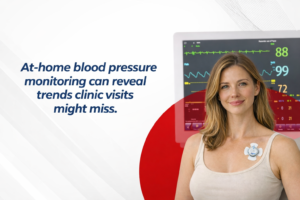
Many people use small devices at home to check these numbers. For example, a smartwatch can track heart rate, while a blood pressure monitor can show how hard your heart is working. Checking these signs every few days can help you notice if something changes.
If your numbers suddenly become very different from normal, it may be a good idea to speak with a healthcare professional.
2. Monitor Your Health Without Seeing a Doctor by Watching Your Sleep
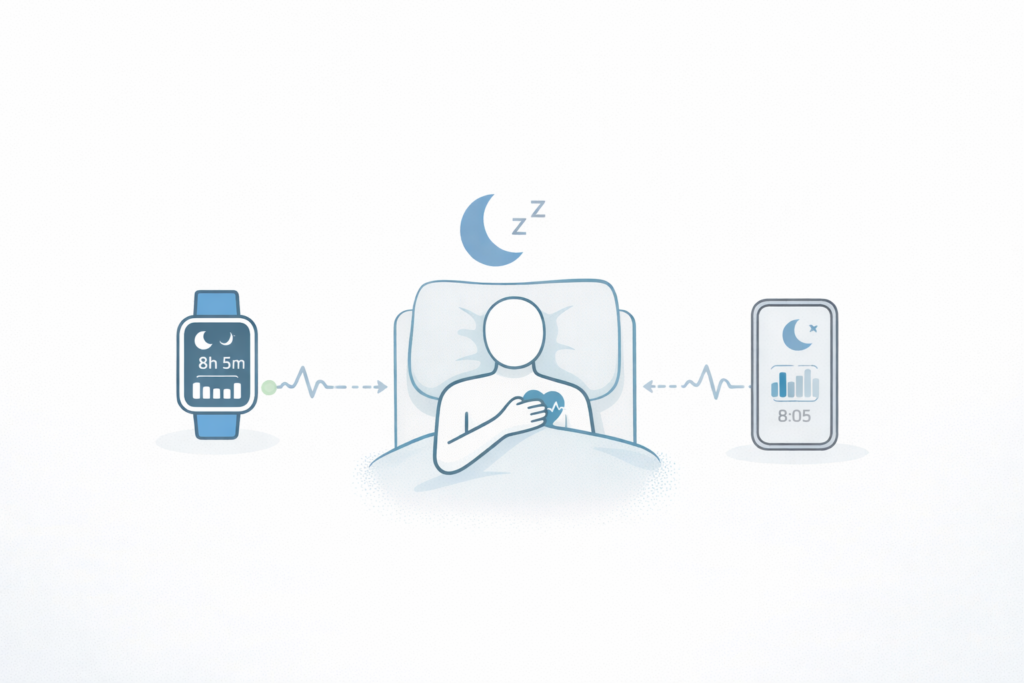
Sleep is one of the biggest signs of good health. If you sleep well, your body has time to rest and repair itself.
You can monitor your sleep by paying attention to how long you sleep and how rested you feel in the morning. Some people also use sleep-tracking apps or smartwatches to see their sleep patterns.
If you often wake up tired, wake up many times at night, or struggle to fall asleep, it could be a sign that your body needs attention.
3. Keep Track of Your Weight and Body Changes
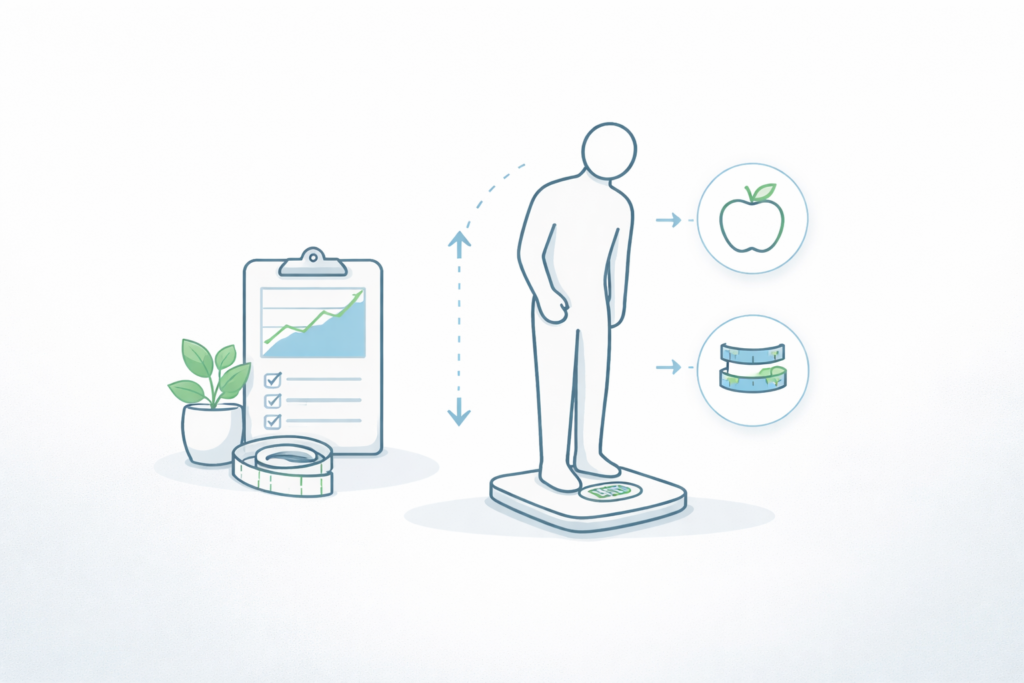
Your body can change slowly over time, so it helps to check your weight regularly. Weighing yourself once a week can help you notice patterns.
Sudden weight gain or weight loss may signal changes in diet, activity level, or health. You can also pay attention to things like swelling, changes in skin color, or feeling tired more often than usual.
These small observations can give you helpful clues about your health.
4. Monitor Your Health Without Seeing a Doctor Through Daily Habits
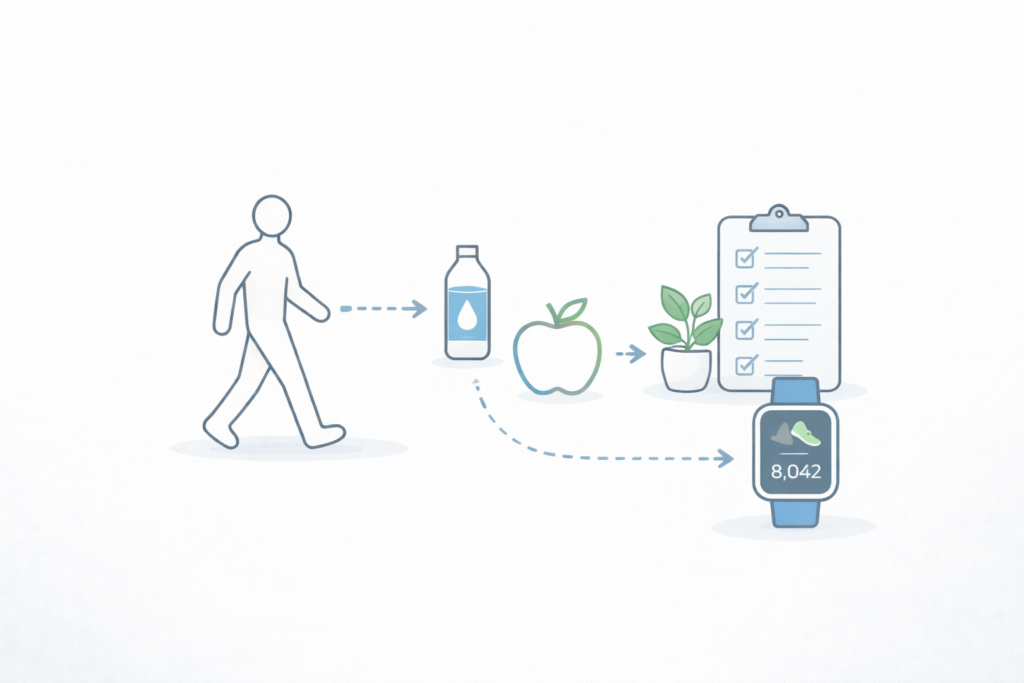
Your everyday habits tell a lot about your health. This includes how active you are, what you eat, and how much water you drink.
You can track steps with a phone or fitness tracker to see how much you move each day. You can also keep a simple journal to write down meals, exercise, and how you feel.
Over time, this information helps you understand what habits make you feel stronger and healthier.
5. Pay Attention to Symptoms and Body Signals
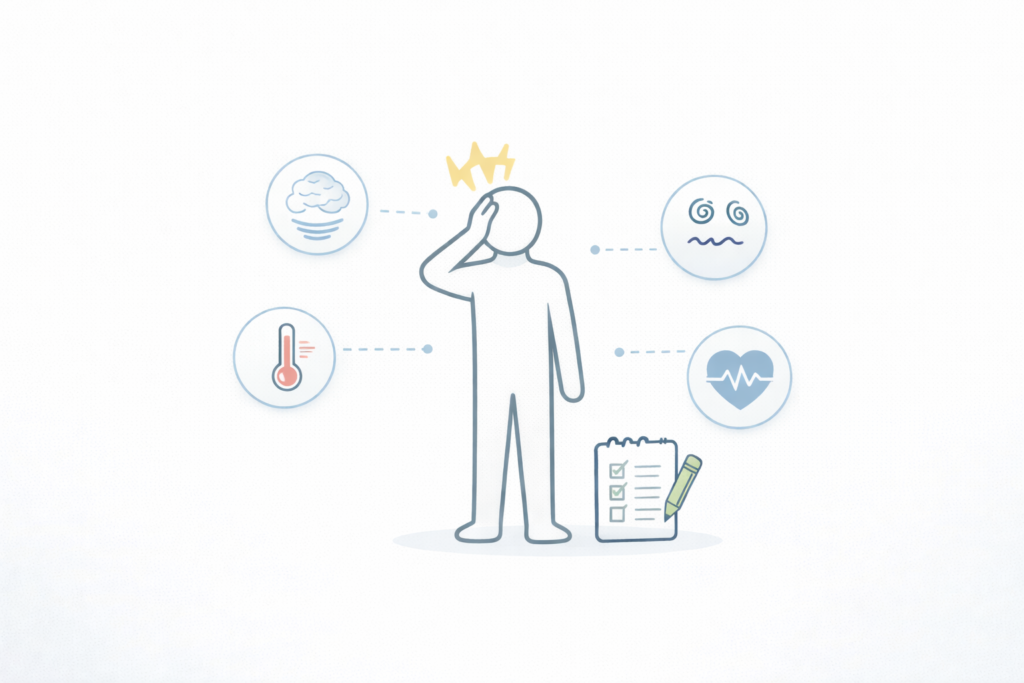
Your body often sends signals when something is not right. These signals might include headaches, stomach pain, dizziness, or feeling very tired.
Instead of ignoring these signs, write them down and notice how often they happen. If the same symptom keeps coming back or becomes worse, it may be time to talk to a doctor.
Being aware of these signals helps you take action early.
Final Thoughts
Learning to monitor your health without seeing a doctor can help you stay aware of how your body feels every day. Simple actions like tracking sleep, checking vital signs, and paying attention to body signals can give you useful information about your well-being.
While these methods are helpful, they should not replace professional medical advice. If you notice unusual changes or feel unwell, a healthcare provider can help you understand what is happening and guide you toward the right treatment.