SMARTS Wellness Resources

Video Shorts

Health Briefs

Understanding Blood Pressure

Uncover why blood pressure management is a vital piece of the puzzle for maintaining peak brain and heart health, in the prime of your youth.

Sleep and Longevity

Explore the profound impact of sleep on your brain and heart health. Uncover the smart secrets of how a good night's rest can be your heart's best friend.

Revolutionising cardiovascular medicine
Revolutionising Cardiovascular Medicine

Step into the future of brain and heart health with advanced wearables! In a world where high blood pressure stands as the biggest healthcare threat,

Heart and Brain

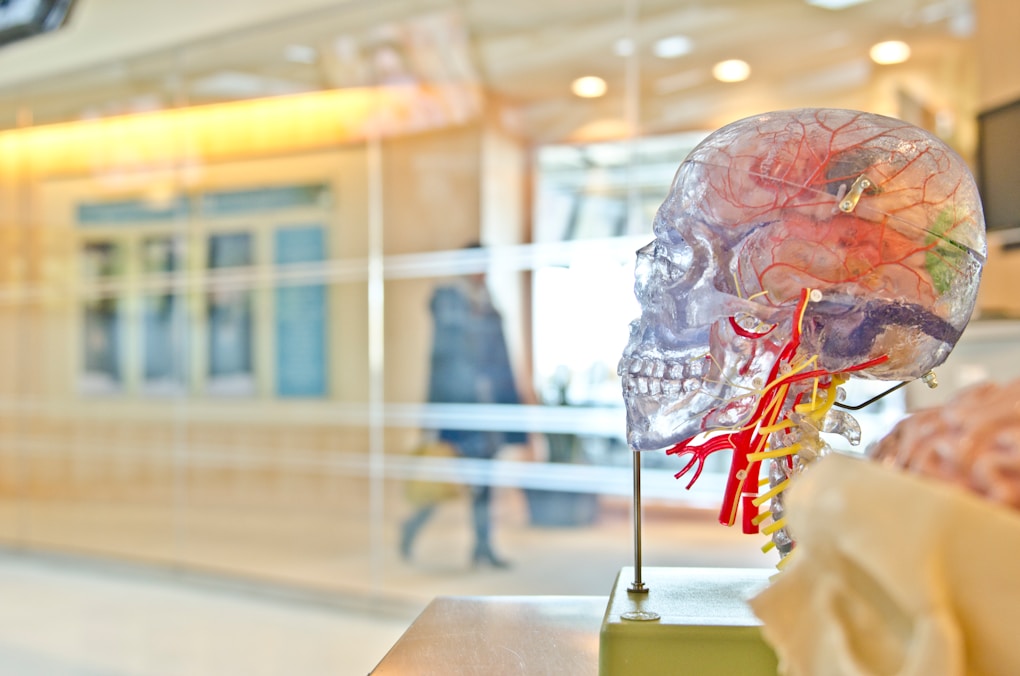
Discover the Connection Between Your Heart and Brain! In the quest for longevity and wellness, the heart and brain emerge as a dynamic duo, each playing a pivotal role in sustaining our health.

Discover Easy Ways to Boost Your Heart and Brain Health

Maintaining optimal heart and brain health is essential for overall well-being and longevity. Simple lifestyle changes can have a profound impact on keeping both your mind and body strong.

Dairy Dilemmas and Gut Health

Hello, I’m Dr. C, and today we’re exploring the complex relationship between dairy products, gut health, and their broader impacts on inflammation and heart health.

Plant-Powered Protection

Hello, I'm Dr. Charles. Today, we're diving into the powerful world of plant-based diets and their remarkable impact on cardiovascular health, oxidative stress, and chronic diseases.

Poisoning in Plain Sight

Hello, I'm Dr. Charles. Today, we're delving into the hidden dangers of highly processed carbohydrates, often lurking in our favorite snacks and convenience foods. Understanding what processed carbs are, the risks they pose, and how to avoid them is crucial for maintaining good health.

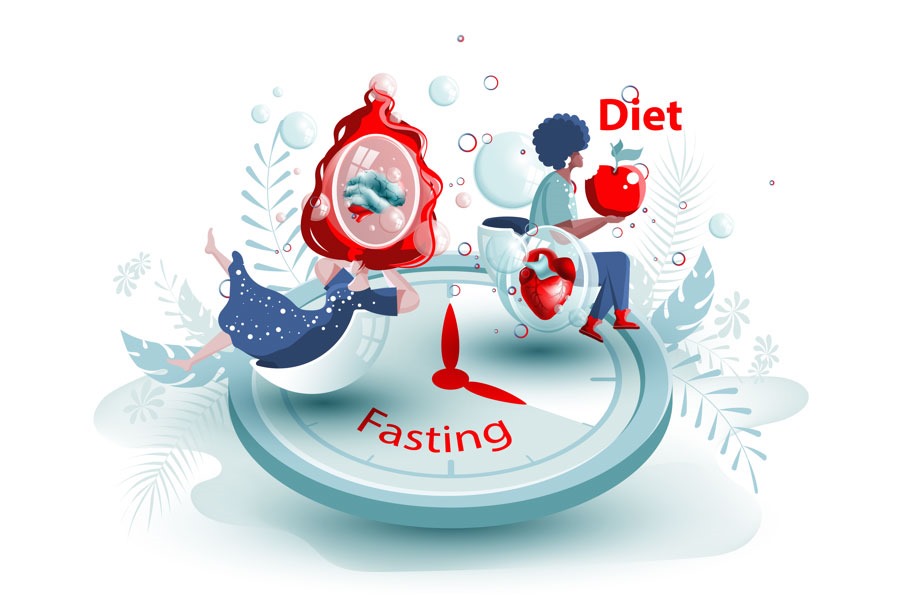
The Science of Fasting

I am Dr. Charles, and today I am thrilled to share with you the fascinating science behind intermittent fasting and its profound impact on our health.

Unlocking the Benefits of Intermittent Fasting

Hello, I'm Dr. Charles. Today, I want to introduce you to the concept of intermittent fasting (IF), a dietary approach that cycles between periods of eating and fasting.

Have you ever save a life?
Have You Ever Saved a Life?

Reflection

"Have you ever saved a life?"

That's the question my 11-year-old daughter asked me, out of nowhere, as we walked to school a few months ago. In the immediate split second, before my mouth could open, I felt first. The feeling was angst, anxiety, maybe even dread. Then, before I could say a word, a second wave washed over me: pride, worth, purpose. It's hard to describe how or why those feelings were even present in response to such a simple question. Was it that anyone would feel that way when asked "Have you ever saved a life?" Or was it the nature of my work, a field that deals in life and death and in all the nuance and circumstance that makes up everything in between?

As a vascular neurologist, my job is to do everything possible, medically, ethically, humanistically, to help people survive what is not infrequently the worst day of their lives. The split-second decisions, the second-guessing, and the brutal reality that around a fifth of the patients I care for in the hospital will die today, tomorrow, or sometime in the next three months.

So when I finally opened my mouth, I didn't really know what to say. Logically, yes, I have probably been part of a team that has "saved" hundreds of lives. But internally, in my gut, I felt absolutely torn.

Our field is hard to describe in lives saved. Maybe because doing so means we also have to acknowledge the lives lost. We have to see the thousands who have died on our watch, not because of something we did, but because we are in the brutal business of caring for stroke. If you are a health provider, I suspect you can relate to the dichotomy: we are called to help people, but often the circumstances are far beyond our grasp and we are simply there to support. Support the patient. Support the family. Support a colleague.

But as a layperson, the question takes on a different meaning entirely.

Earlier today I was cooling off from a morning run, looking down at my phone, when I nearly tripped over a middle-aged man wearing a button-up shirt, khaki pants, and a baseball cap, lying across the sidewalk and halfway into the street, spread across an on-ramp. He was clearly overdosing on an opiate. He was on his back, head tilted, legs flexed at the knees and very slowly relaxing until he was completely flat. Mouth open, head back, breathing shallow.

After a few seconds of prodding, he responded with some nonsensical slurring. I started to call 911, at which point he sort of woke up, his speech briefly more intelligible: "They're not going to take me." He began to stand, only to go back down the street from where he started, just before reaching a gnarly concrete staircase. His head started to droop, torso leaning forward, knees doing that classic slow-motion pump, followed by a descent to the ground that left him exactly as I had found him. By then I could hear the sirens of a fire truck, which was fortunate, because this time he was no longer responsive. Breathing had slowed to about eight breaths a minute, shallow. I waved over the emergency workers. They came with the naloxone kit, administered it nasally, and there's a good chance a life was saved.

As a layperson, this incident was very different from my day-to-day experience. It was unexpected. It was personal. It was concrete. And beyond giving me something more confident to say to my daughter, the emotion it stirred was also very different.

After thinking about it for some time now, I am getting closer to understanding the difference. The hospital always comes with a cost. To save someone from something, you have to be prepared that the same intervention may cause harm to someone else. That constant risk-benefit calculation is not just theoretical. It is those rare but real cases, the ones that fell into the wrong category, that I remember most vividly. Saving a life is just the status quo. The conversation you have right before watching someone die is what stays with you. So I think my angst at answering "have you ever saved a life?" is inseparable from having to recall all the suppressed memories of those who didn't make it.

I started SMARTS Health because I no longer want to face that 40-year-old man or 50-year-old woman with a devastating, often catastrophic stroke that I know for a fact could have been prevented with simple blood pressure management, started years earlier. As a physician with a master's in population health and a passion for serving the underserved, I aim to embody a mantra that has guided one of medicine's great preventers:

"Nobody ever thanks you for saving them from the disease they didn't know they were going to get."

William Foege, former CDC Director, instrumental in the eradication of smallpox

That's the work. And it's enough.

Have You Ever Found Yourself Wondering About Your Purpose?

Reflection

Have you ever found yourself wondering about your purpose in life?

I have, too. As a husband, father of two, and a stroke neurologist, I've come to understand my professional purpose: to help you live a long, healthy life so your purpose doesn't get derailed by something preventable, like a stroke or heart attack.

You may not think of stroke as something that happens to people in their 40s, but I see it all too often. Young adults who were healthy one day, then suddenly faced with life-altering symptoms like sudden weakness on one side of their body. Every one of the thousands of stroke survivors I've treated would have done anything to prevent it.

Stroke is the second leading cause of death globally and the number one cause of disability, leaving many dependent on family for physical and financial support. While stroke can be devastating, the good news is that it's often preventable.

Imagine you've bought a brand-new car. At 10,000 miles, it's due for routine maintenance, but work, life, and other priorities keep getting in the way. At 15,000 miles, you know you should take it in, but you still push it off. Then, at 18,000 miles, your car breaks down because of a preventable issue. Most of us wouldn't let that happen to our car, so why do we neglect routine maintenance on our most important asset: our health?

A simple, yearly blood pressure check is one of the easiest and most powerful investments you can make in your health, and in your life's purpose.

* Doctor C

Choose Life

Reflection

"I have set before you life and death. Choose life."

No matter your faith or background, that choice is still before us every day, hidden beneath countless small decisions.

As a busy physician, husband, and father of two, I know how easy it is to choose what feels good now: the endless scrolling, the late-night emails, the extra slice of pizza. I want balance and wellness, yet I too fall into the trap of quick fixes that slowly chip away at my health.

This is exactly what huge parts of the food and entertainment industries count on: our endless appetite for distraction and instant gratification.

We're exhausted but can't rest. We "catch up" on our phones but drift further from real connection. This passive drift is its own quiet choice, one that can lead to stress, high blood pressure, and, too often, a stroke or heart attack.

I see it every day as a stroke doctor: people just like you and me, working hard, raising families, struck down by preventable disease. I have a strong family history of high blood pressure and started checking mine at 25. Over the years, I've seen it rise with stress, poor sleep, and unhealthy habits, and fall when I prioritized rest and real balance.

One simple change, better sleep and fewer late-night emails, brought my morning blood pressure surge back to normal. That surge, by the way, is why heart attacks and strokes spike in the early hours.

So I ask you: Are you actively choosing life? Do you know your blood pressure? Did you know that high blood pressure is the world's leading silent killer, and that nighttime blood pressure may be the strongest predictor of heart disease?

Purpose alone isn't enough. You must protect it. Start by knowing your numbers and choosing health intentionally, every day.

Live with purpose. Choose life.

* Doctor C

What Does Your Health Smell Like?

Reflection

What does your health smell like?

I've always been fascinated by the complexity of our brains. This curiosity led me to pursue a neurology residency after medical school and ultimately become a vascular neurologist. Among the brain's many wonders, one stands out: how the senses feed into it, shaping what we feel, remember, and do.

Take smell, perhaps the most primitive of our senses. Unlike vision or hearing, smell connects straight to the brain's emotional center, the amygdala. A single scent can transport us to childhood, stir up vivid memories, or flood us with feelings we can't quite name. It's remarkable how an invisible signal in the air can carry us instantly into another moment.

So I often ask myself: what does my health smell like? Outwardly, we may look fine, fit, composed, seemingly thriving. But internally? Our body gives off signals, sometimes faint, sometimes urgent, about whether things are fresh and thriving, or stagnating and in danger. The "scent" of our health isn't literal; it's an intuition, a subtle sense when something inside isn't quite right.

I try to exercise daily, watch my diet, and stay balanced. Yet every now and then, I catch that inner "whiff" that something may be off. Is it poor sleep? Too much stress? Elevated blood pressure? I've learned not to dismiss those cues.

Arthur Ashe, a prime athlete, had a massive heart attack in his 30s, proof that even the fittest among us aren't immune.

That awareness drove me to monitor my own blood pressure. A 24-hour monitor revealed early-morning spikes I would never have noticed otherwise, likely tied to poor sleep habits. Acting on that quiet internal signal helped me intercept a silent killer before he could strike.

Our bodies whisper long before they shout. If you tune in, if you "smell" the state of your health, you can respond and prevent the crisis.

So, what does your body's health smell like? Fresh, vital, and balanced, or stale, warning you it needs attention?

* Doctor C

Who Do You Trust?

Reflection

Who do you trust?

It's 9:15 a.m. on a cool and sunny Wednesday morning. Walking outside my hospital in the Bronx is never boring. Loud music blares from a storefront. Some guy yells out to a friend while smoking a cigarette and trying to beat the yellow light. People loiter, rush to work, cars honk in the distance; a faint smell of urine lingers as I pass a building's side entrance. An older neighbor asks a young man, "How's your daughter?" He seems to have set up a living room inside his minivan.

I know this place. Even though I can't explain the feeling, I relate to it and can trust my senses here. Unlike most doctors in this hospital, I grew up in similar circumstances. My entire medical career has also been spent caring for people living in socially vulnerable communities. They trust what I say, respect my input, and try to follow my advice, not just because it's good advice, but because they also trust me. Through a shared respect for the daily grind, we relate to one another.

This kind of connection can't be captured on a website, expressed by an AI agent, explained by ChatGPT, or fully described in a blog like this. But we have all experienced the familiar. The trust I'm referring to is intimate, and it takes time and experience to grow. And yet, it's becoming harder to find in the age of digital health.

Marketing agencies are paid to earn your "trust." Doctors endorse protein bars. The trust currency that medicine was built on has shifted. It's now about winning your business or becoming a "thought leader" on social media. Direct-to-consumer healthcare goods have flooded the market under the banner of "personal wellness." And worst of all, some of us doctors are now swearing by the snake oil we push.

The digital health company promising longevity with million-dollar branding? Or the digital blood pressure company telling you something we've all known for a century: that silent high blood pressure is the number one killer in the world?

I'll let my experience speak for my mission. I founded SMARTS Health with a single purpose: to prevent premature death and disability from the one thing I've treated thousands of times, stroke. From children with stroke to 100-year-old women, I've cared for countless people with devastating events: brain bleeds, ischemic strokes, carotid dissections, massive heart attacks, heart failure, aortic dissections, and everything in between.

When it comes to cardiovascular disease, I've been there, interacting with the person, having the unforgettable discussions with their husband or wife or child or parent. The memories that don't leave me are of the people who have looked in my eyes and asked: "Am I going to die?" I hate that question. I would much rather answer: "Doc, what can I do to prevent a stroke?"

Beyond relating to people when they are most vulnerable, knowing their neighborhoods, their culture, their families, their lives, my credentials also help some. I graduated from Penn State University with a degree in Microbiology. I completed seven years of training in neurology and vascular neurology at one of the top institutions in the country. I led the busiest stroke center in New York City as a young doctor for over five years and have published more than 50 research articles, book chapters, and abstracts on treating and preventing heart and brain disease.

I can't convince you that our mission is rooted in a deep desire to bring health to people's lives and spare them from the despair I've so often seen. But maybe you can relate to my story, and decide for yourself.

So I ask again: Who do you trust?

Doctor C

Health Blog

Cardiovascular Health Resources

Brain and Heart Health

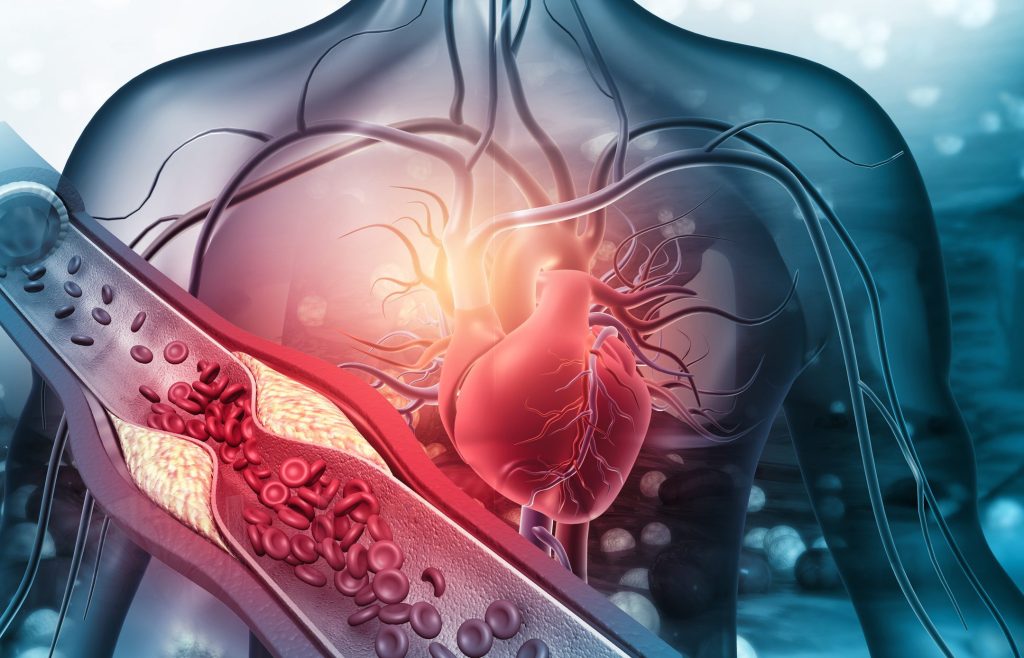
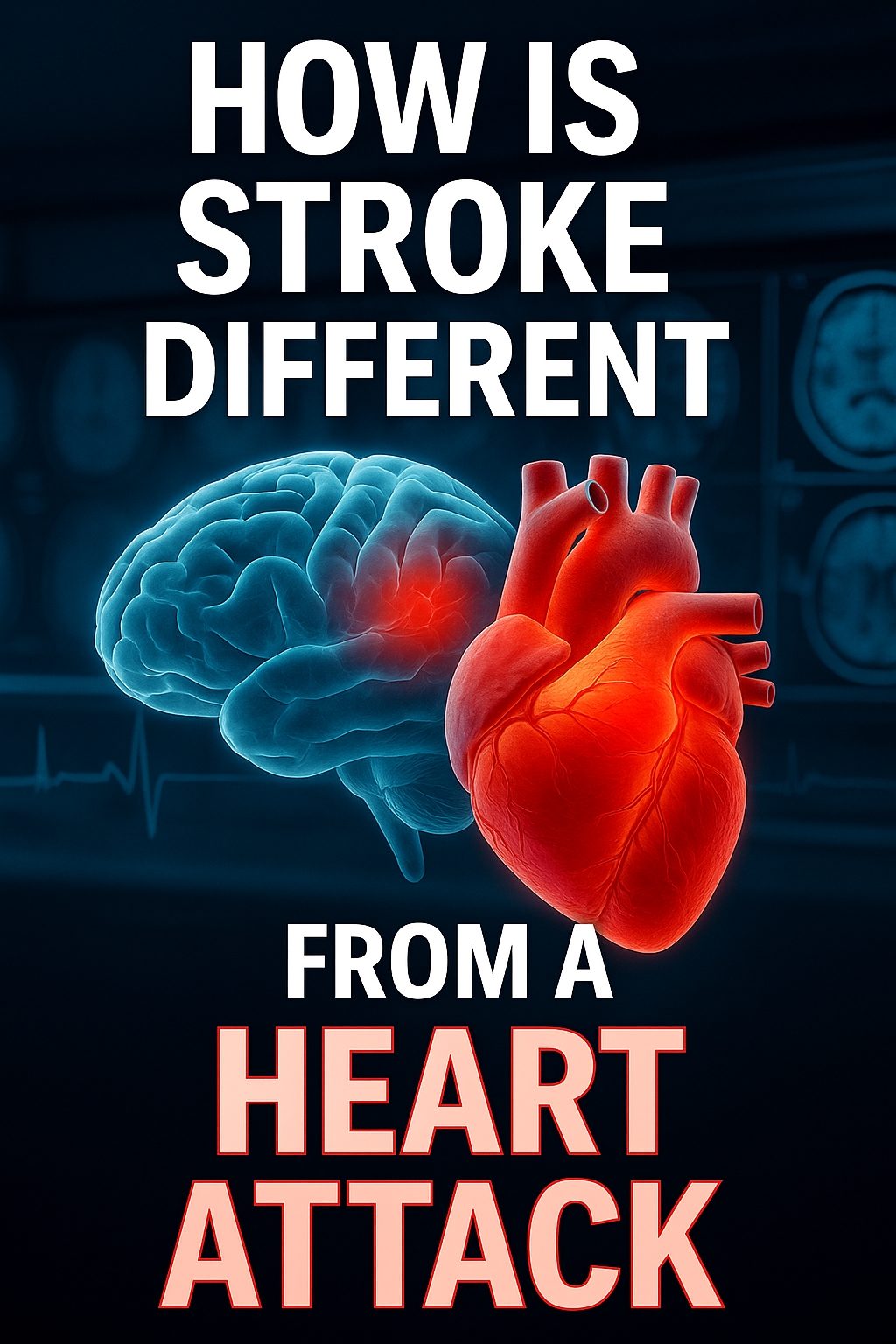
Cardiovascular disease is defined by dysfunction in the body’s circulation system (blood vessels), leading to severe illnesses like stroke and heart attack. While these events are sudden, the circulation problems that lead to them typically develop over many years from damage caused by high blood pressure, high cholesterol, diabetes (high blood sugar), obesity, tobacco use, poor diet, a sedentary lifestyle, and poor sleep.

What can you do to improve your brain and heart health and decrease your risk of cardiovascular disease?

Sign up for weekly wellness tips from our doctors

Prioritize Brain and Heart Health

To live healthy is to prevent cardiovascular disease.

This requires intentional blood pressure, cholesterol and diabetes control.

A healthy diet, regular exercise, restful sleep and mental wellbeing are the essential pillars of wellness medicine.

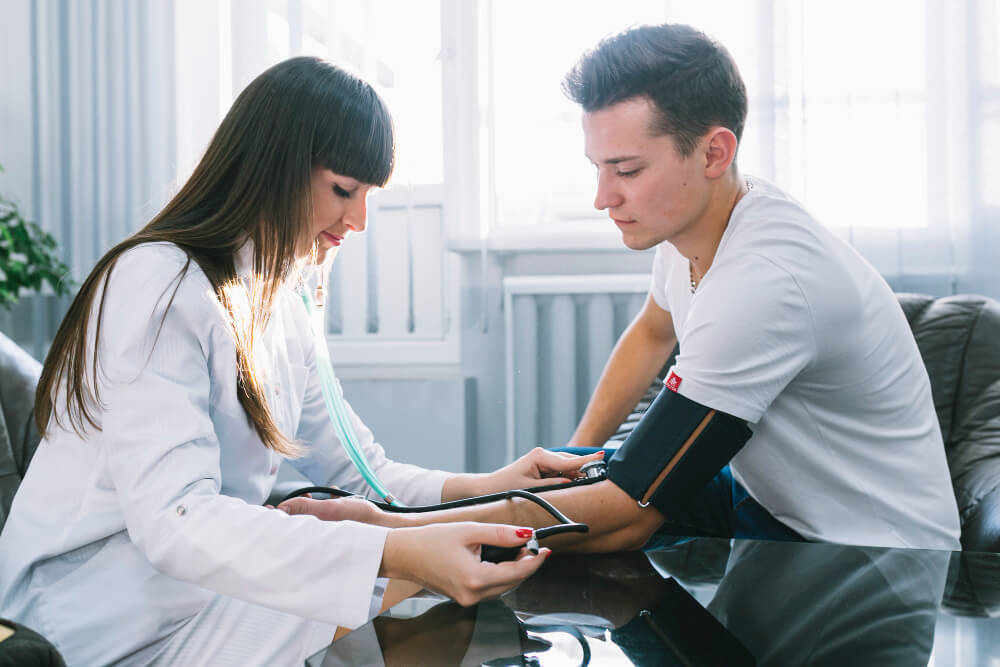
Know your blood pressure

High blood pressure can damage blood vessels in the brain and heart. Hypertension is the biggest risk factor for stroke and heart attack.

High blood pressure is called the “silent killer” because it often shows no symptoms, highlighting the vital need to check your blood pressure routinely.

Recommendations
Check your blood pressure regularly and share results with a health expert. Limit sodium intake by reducing processed foods and adding less salt to meals.

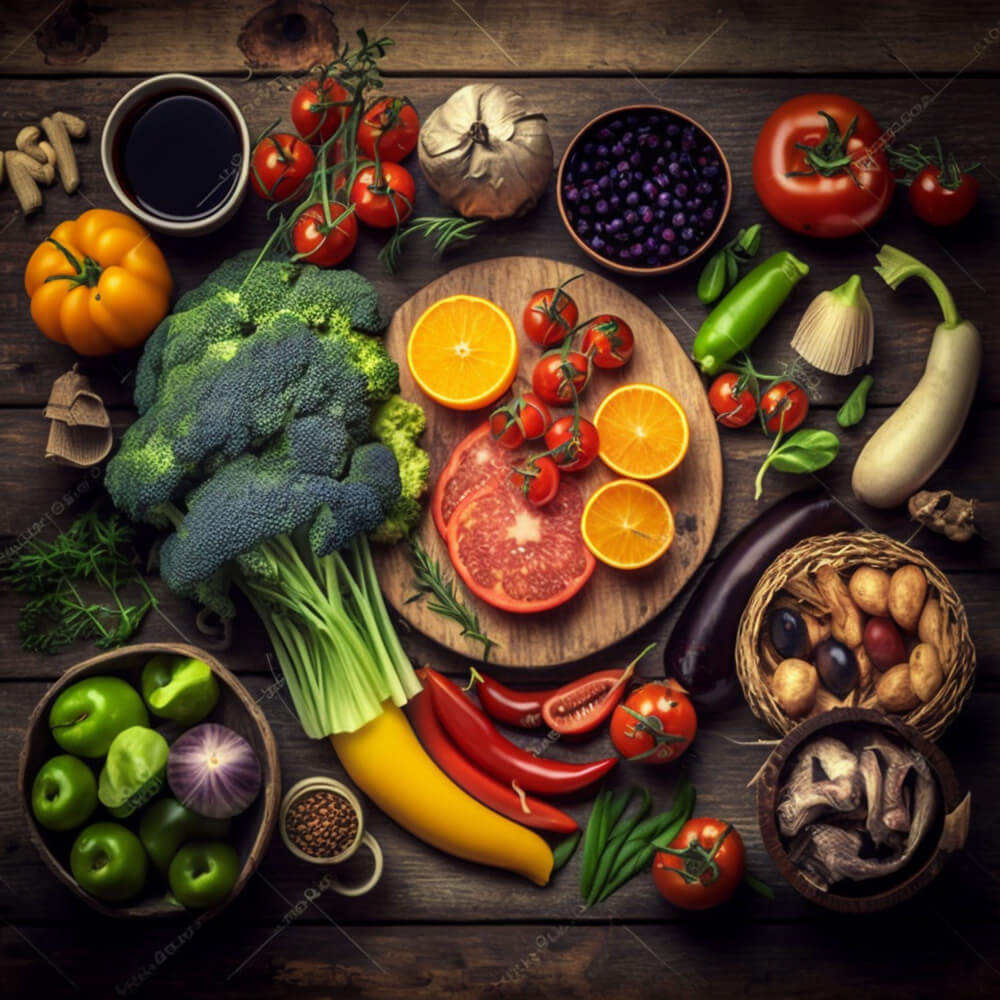
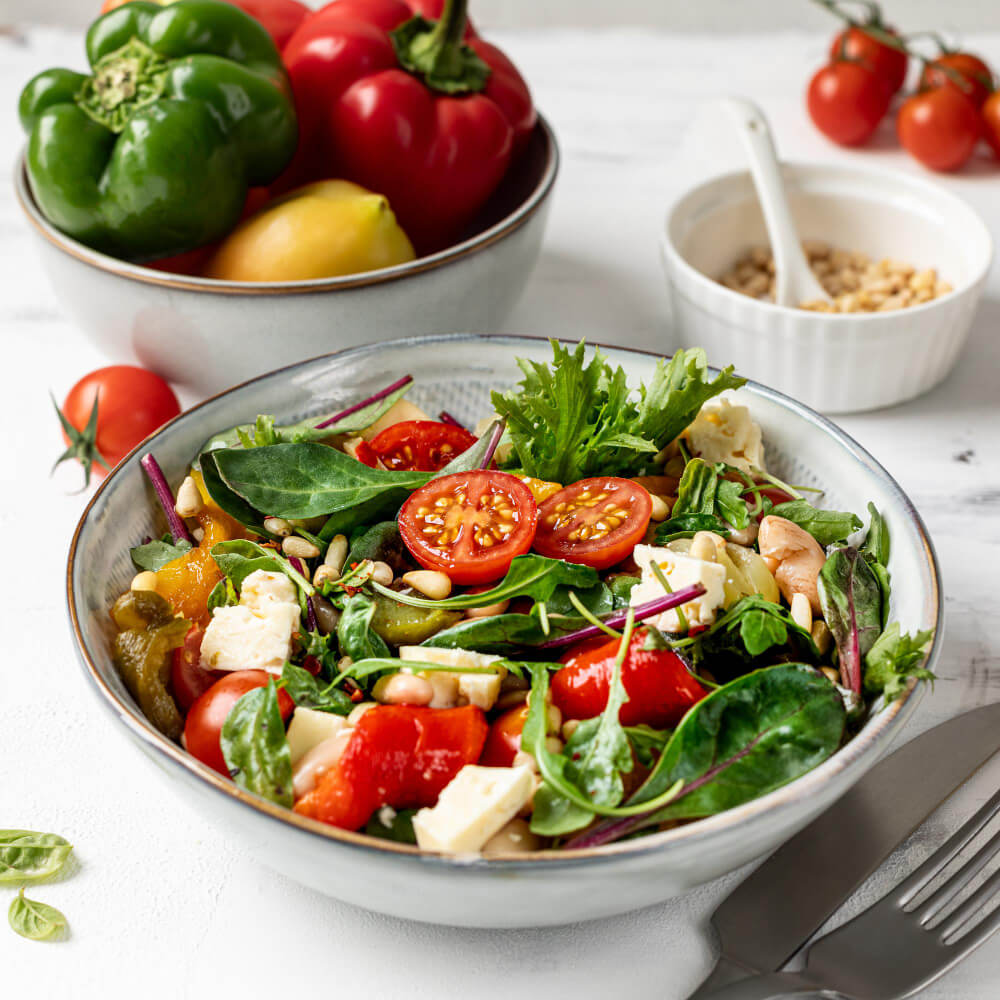
Know the importance of a heart-healthy diet

What’s the big deal about cholesterol?

High cholesterol can lead to plaque buildup in the blood vessels that feed your brain with blood. Unhealthy brain blood vessels can cause a sudden blockage causing a stroke.

Recommendations

To maintain healthy cholesterol levels, you should follow a heart-healthy diet, low in saturated and trans fats.

Exercise regularly, at least 150 minutes per week of moderate-intensity exercise.

Ask your healthcare provider when you should have your low-density lipoprotein (LDL), high-density lipoprotein (HDL) and triglyceride cholesterol levels checked.

The danger of simple sugars and processed carbohydrates

A diet high in simple sugars and processed carbohydrates can lead to diabetes. Along with hypertension, diabetes damages the blood vessels of the brain and increases the risk of stroke and heart attack.

Recommendations

To lower the risk of diabetes, you should follow a healthy diet that is low in sugar and refined carbohydrates.

Exercise regularly, at least 4 times per week for 30-60 minutes of moderate-intensity

Maintain a healthy weight and lose weight if necessary.

Check with your healthcare provider to see if you should have your hemoglobin A1C level checked. Hemoglobin A1C measures your average blood sugar in the last 3 months and can be used to screen for diabetes.

By managing these risk factors and leading a healthy lifestyle, individuals can reduce their risk of developing cardiovascular disease and live a brain and heart healthier life.

Maintain a physically active lifestyle

Lack of physical activity can increase the risk of cardiovascular disease. To maintain a healthy level of physical activity you should exercise regularly, at least 4 times per week of moderate-intensity exercise for 30-60 minutes

Find activities they enjoy, such as walking, swimming, or dancing.

Incorporate physical activity into daily routines, such as taking the stairs instead of the elevator.

Join a fitness class or club for added motivation and support.

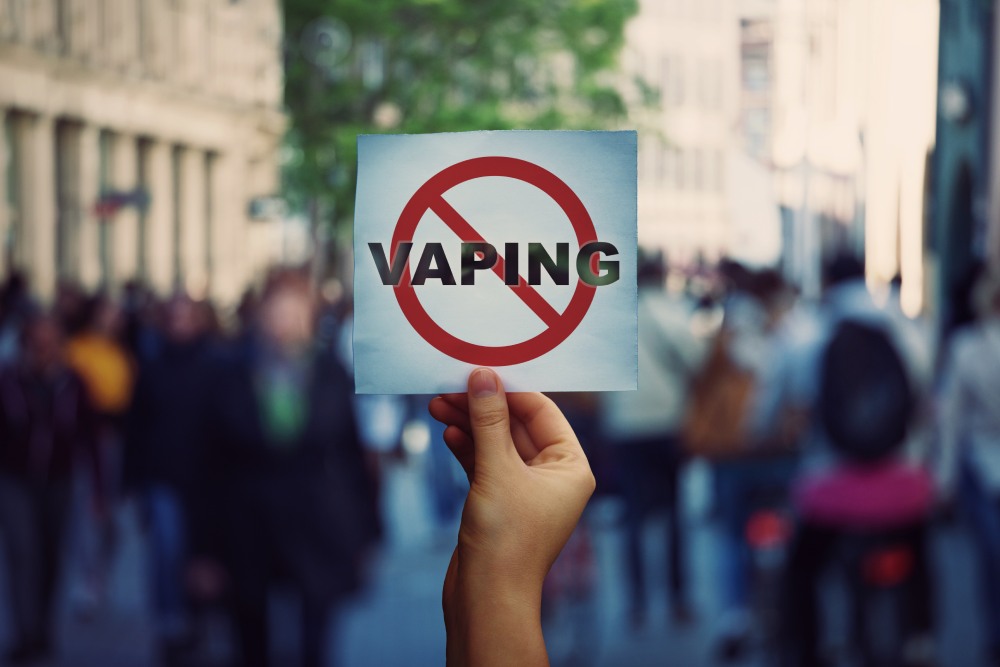
The dangers of smoking and vaping

The chemicals absorbed into the blood from the lungs when smoking and vaping irritate the blood vessels and significantly increase the risk of heart attack and stroke.

Recommendations

If you smoke or vape, it’s time to quit. It’s also important to avoid second-hand smoke.

Seek help from a healthcare provider, such as nicotine replacement therapy or counseling.

Avoid triggers that lead to smoking, such as stress or alcohol.

Surround yourself with supportive people.

Scroll to Top

Sleep and Longevity

Sign up for weekly wellness tips from our doctors

Sign up for weekly wellness tips from our doctors

Already Registered? Click here to login