Remote Blood Pressure Monitoring: How Clinician-Guided Monitoring Works in Hypertension Care
Remote blood pressure monitoring is a clinical approach used to support hypertension management through ongoing, clinician-guided data review. This page explains how remote monitoring works in healthcare settings, its limitations, and when it may be considered as part of long-term blood pressure care.

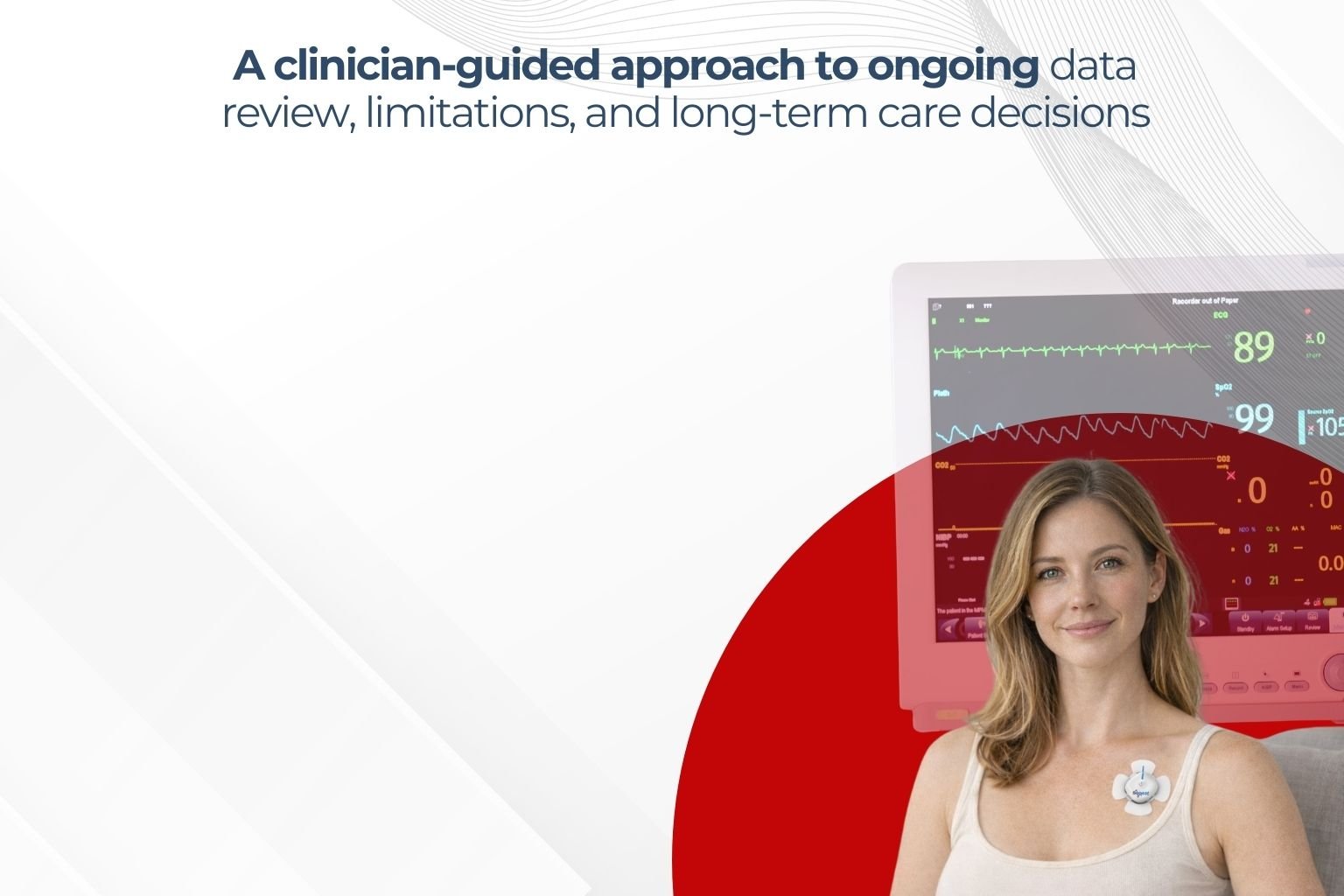
What Is Remote Blood Pressure Monitoring?
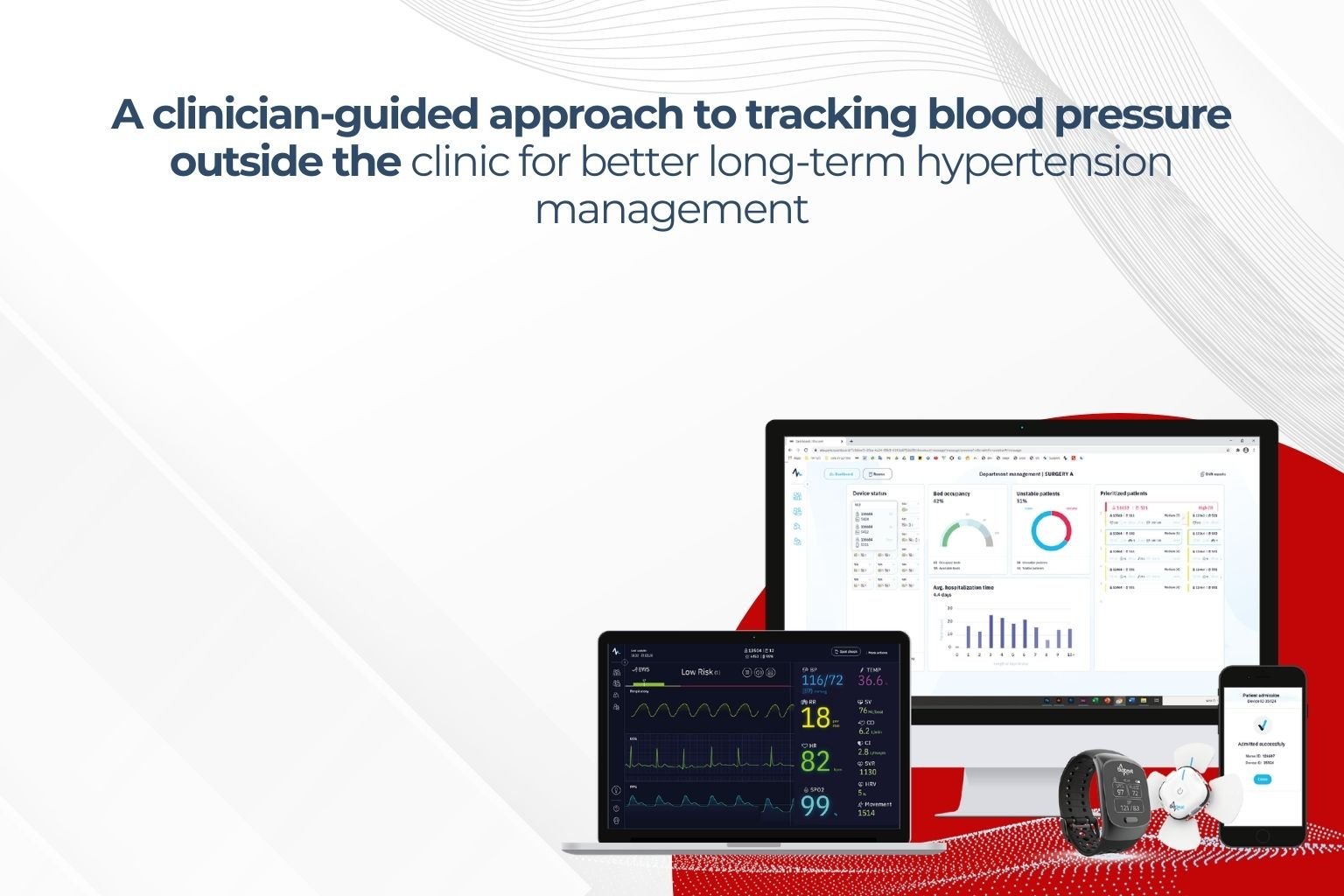
Remote blood pressure monitoring (RPM) refers to the structured collection and clinical review of blood pressure measurements taken outside traditional healthcare settings. In clinical practice, RPM is used to provide longitudinal data that supports ongoing hypertension management.
Unlike casual self-tracking, clinician-guided remote monitoring involves defined protocols, validated devices, and professional interpretation. The purpose is not to replace office visits, but to supplement them with more complete information about blood pressure patterns over time.
RPM exists to address gaps in care created by infrequent visits, variable readings, and the limitations of single-point measurements.
Why Blood Pressure Monitoring Matters in Hypertension
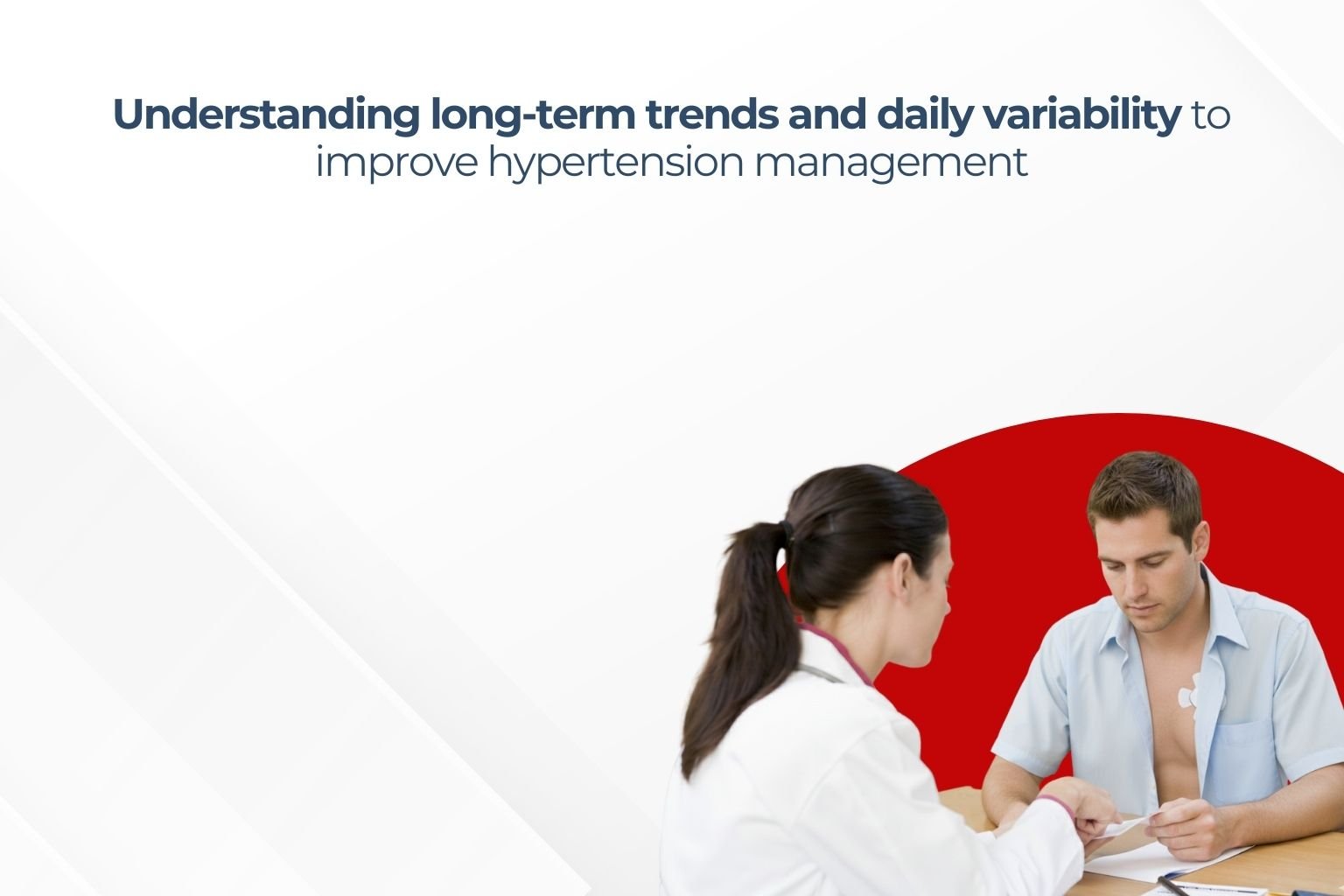
Hypertension is a chronic condition characterized by long-term elevation of blood pressure. It often progresses without noticeable symptoms, making consistent monitoring an essential component of care.
Is not static. It fluctuates throughout the day in response to activity, stress, sleep, and medication timing. Single office readings may not fully reflect an individual’s true blood pressure profile.
For this reason, longitudinal monitoring is often necessary to understand trends, variability, and treatment response.
How Remote Blood Pressure Monitoring Works in Clinical Care
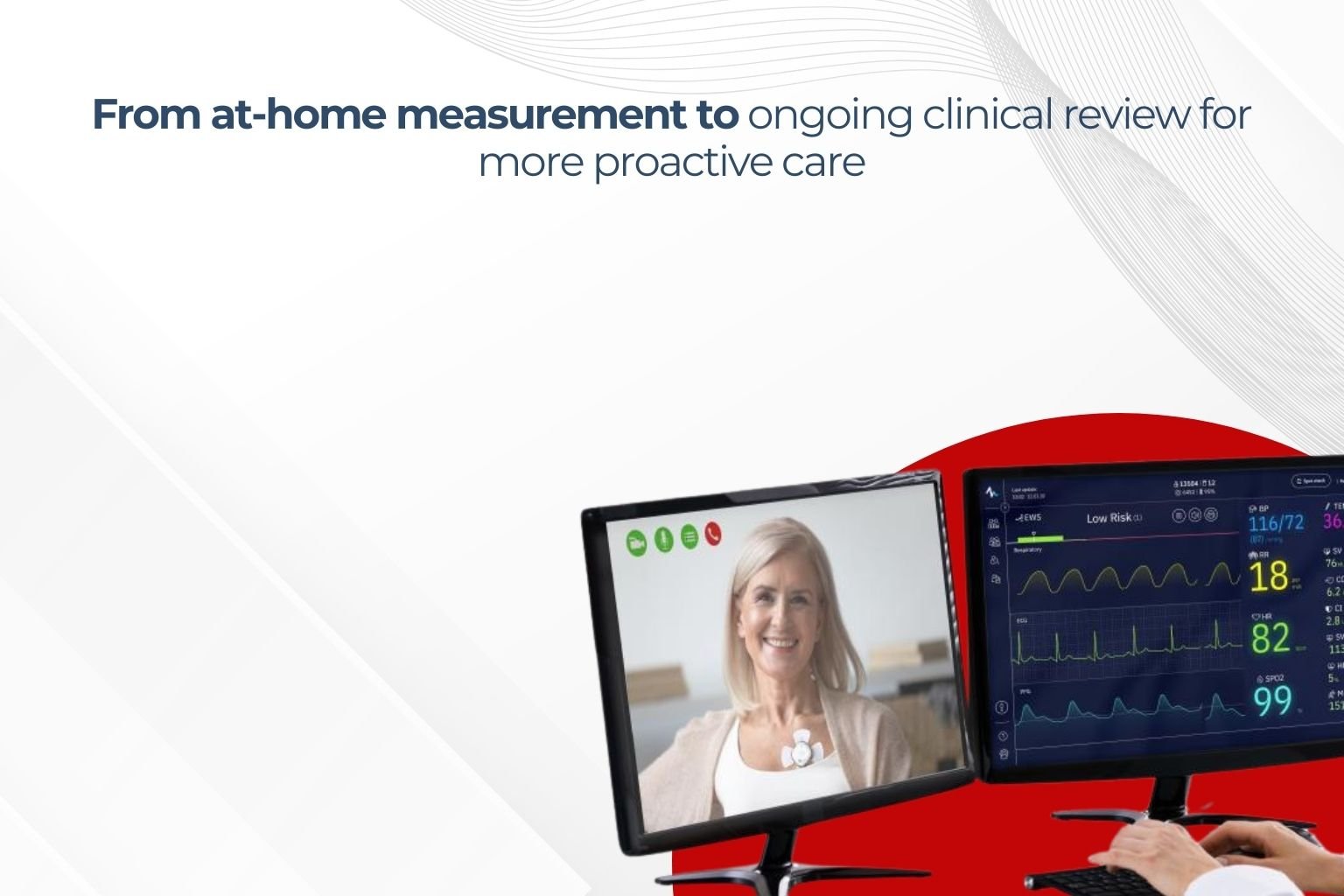
In clinician-guided remote monitoring, patients measure their blood pressure using validated devices according to a defined schedule. The device securely transmits measurements to a clinical platform.
Healthcare professionals review the data over time, assess trends, and determine whether adjustments to treatment or follow-up are necessary. In some cases, abnormal patterns may prompt outreach, medication review, or additional evaluation.
This workflow supports proactive care while maintaining clinical oversight.
Remote Hypertension Monitoring vs Occasional BP Checks
Occasional blood pressure checks provide isolated snapshots. Remote hypertension monitoring provides continuity.
Longitudinal data allows clinicians to identify patterns such as persistent elevation, variability, or treatment resistance that may not be visible during sporadic measurements.
This distinction is central to understanding the clinical value of remote monitoring in hypertension care.
Ongoing Blood Pressure Monitoring and Long-Term Care
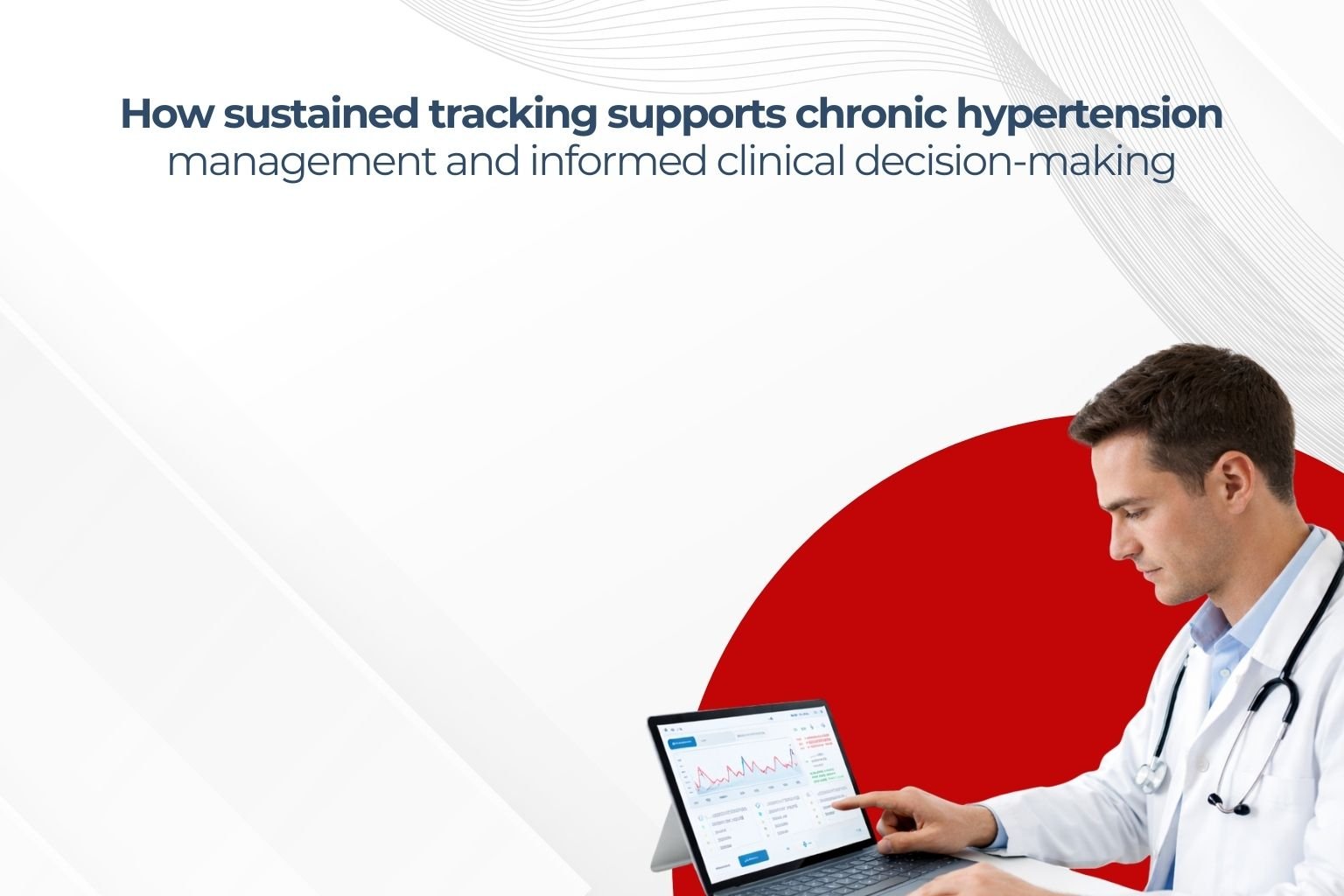
Ongoing blood pressure monitoring refers to repeated measurement over extended periods, not short-term tracking. It is used to support chronic disease management rather than acute diagnosis.
Consistency allows clinicians to evaluate treatment effectiveness, adherence, and progression over time. It also supports more informed clinical decisions.
Is Remote Blood Pressure Monitoring Reliable?
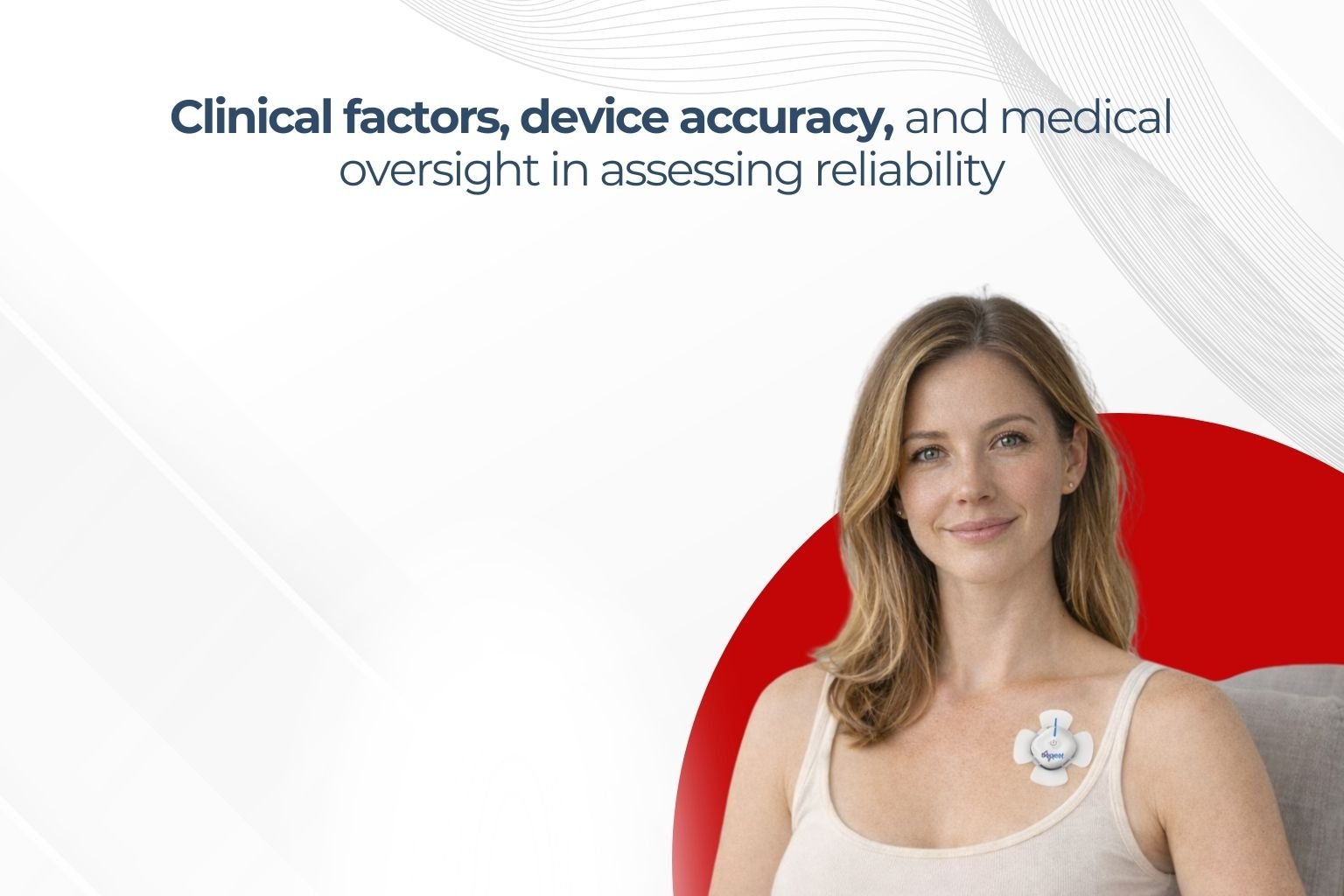
Like any medical tool, remote monitoring has limitations and depends on appropriate device selection, patient adherence, and clinical interpretation.
Measurement accuracy, user technique, and data quality all influence reliability. For a detailed discussion of evidence and limitations, see our article on the reliability of remote blood pressure monitoring.
Reliability depends on proper use and clinical oversight.
Limitations and What Remote Monitoring Cannot Do
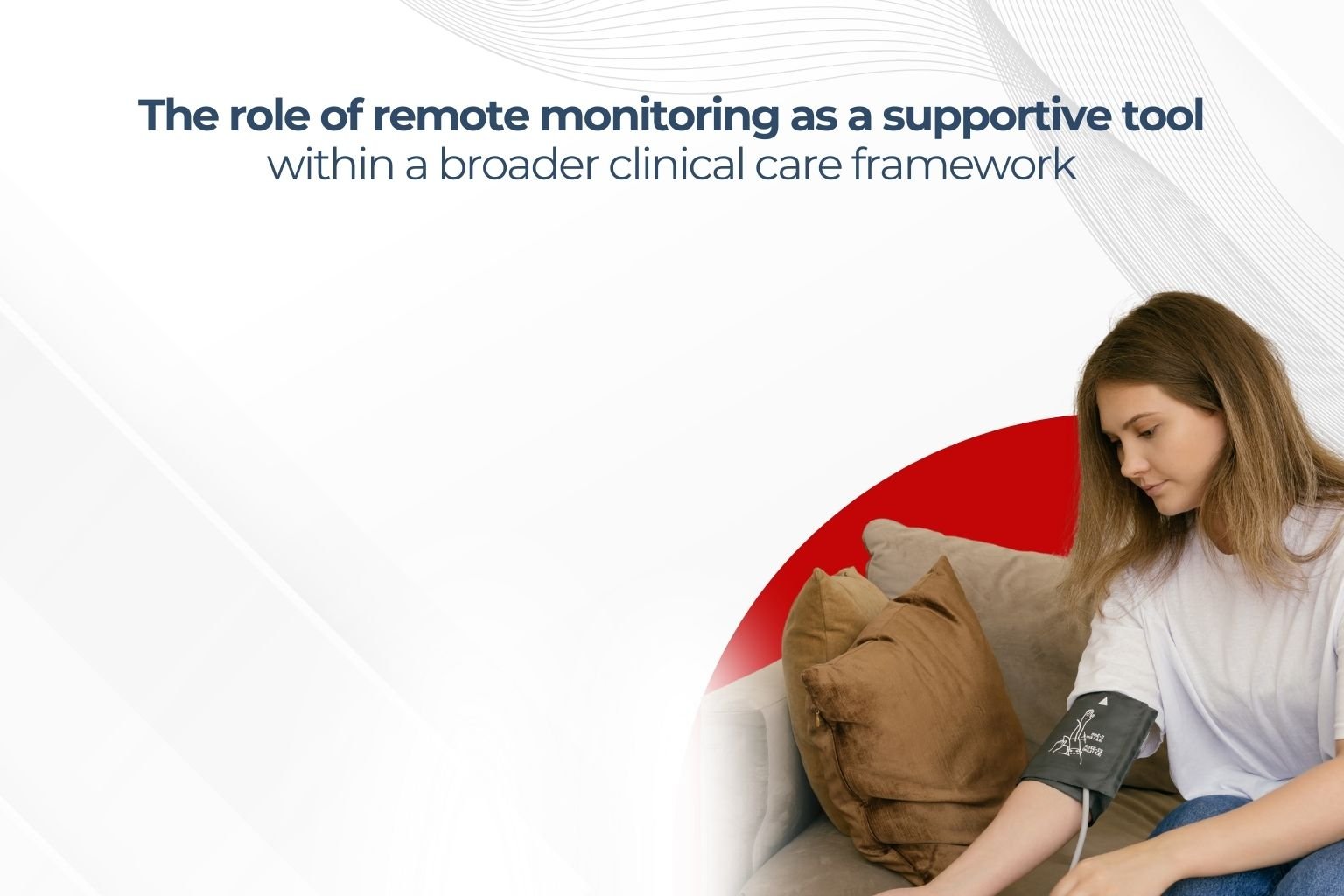
Remote blood pressure monitoring does not diagnose hypertension, replace in-person care, or guarantee outcomes.
It does not eliminate the need for clinical evaluation, laboratory testing, or physical examination. Measurement errors can occur, and not all patterns require intervention.
RPM is a supportive tool within a broader care framework, not a standalone solution.
When Clinician-Guided Blood Pressure Monitoring May Be Considered
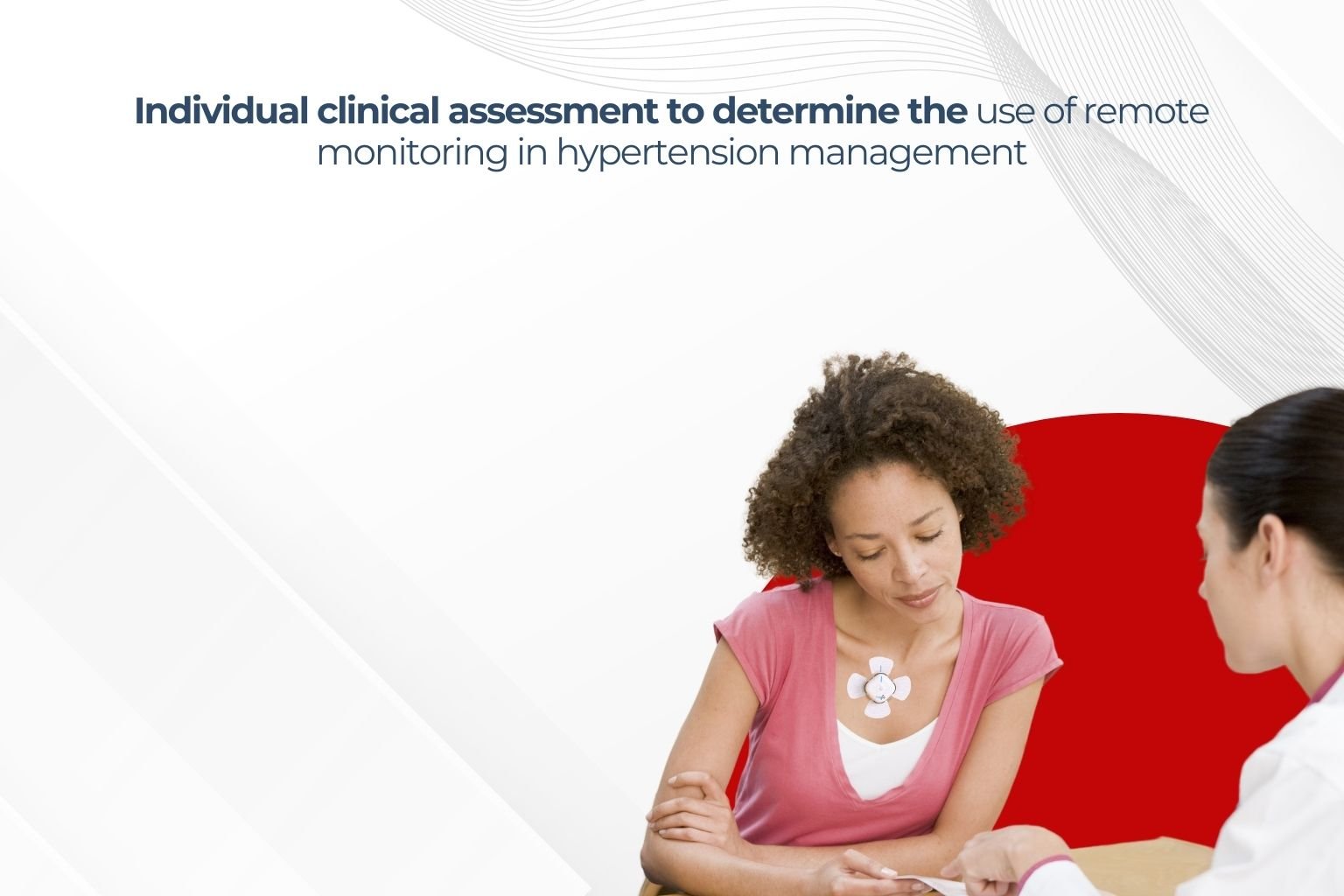
Clinician-guided monitoring may be considered in individuals with diagnosed hypertension, difficulty achieving blood pressure control, a history of cardiovascular events, or significant variability in readings.
A healthcare professional decides whether remote monitoring is appropriate based on individual clinical circumstances.
Discuss Blood Pressure Monitoring Options With a Qualified Healthcare Professional
If you are managing hypertension or have difficulty controlling your blood pressure, a clinician can help determine whether remote monitoring may be appropriate for your situation.
Learn Whether Clinician-Guided Monitoring May Be Appropriate